 My Honey Jar
Korke's ⟨Origin Myth of Bachata Sensual⟩ — How Did This Whole Huge World Begin?
Just got back from a long trip and my head's still all over the place. Pardon the casual tone~
First off, pardon the casual tone~ I just got back from a long trip and my head's still all over the place. But how could I *not* tell you the Korke story (Korke, aka Papa Bachata Sensual himself). Enjoy the read, and if I got something wrong, call me out and I'll fix it right away. Okay, here we go~
An episode that suddenly comes to mind.
"Why is it like that?" — "Because Korke said so." (The End)
Was it a Luis y Andrea workshop? Probably. I asked some question, and that was the dancer's answer. Said in a tone so matter-of-fact, like no further explanation could possibly be needed. What kind of being *is* Korke, exactly?
*ps. I absolutely don't mean the dancer was being lazy about explaining a move or its mechanics. The question itself was more like, why do you call that thing by that name? Why did it end up being decided that way? That kind of thing :)*
A Tight Bond with Korea — Korke y Judith's Third Visit
Korke y Judith are coming to Korea in early December 2022. This is their third visit. First, let's look back at the events they came for before: World Star Bachata Festival in May 2018, Sensual Tonight Festival in December 2018.
Sure, he did make a surprise visit at the end of 2017 during the Trujy y Gloria Korea tour, to cheer on his then-girlfriend and now-wife Gloria — but that was an off-the-record secret event. Judith wasn't there either. At the time, at Naomi Bar, he was showing us demos and dancing socials while telling us shh — absolutely do not post this…
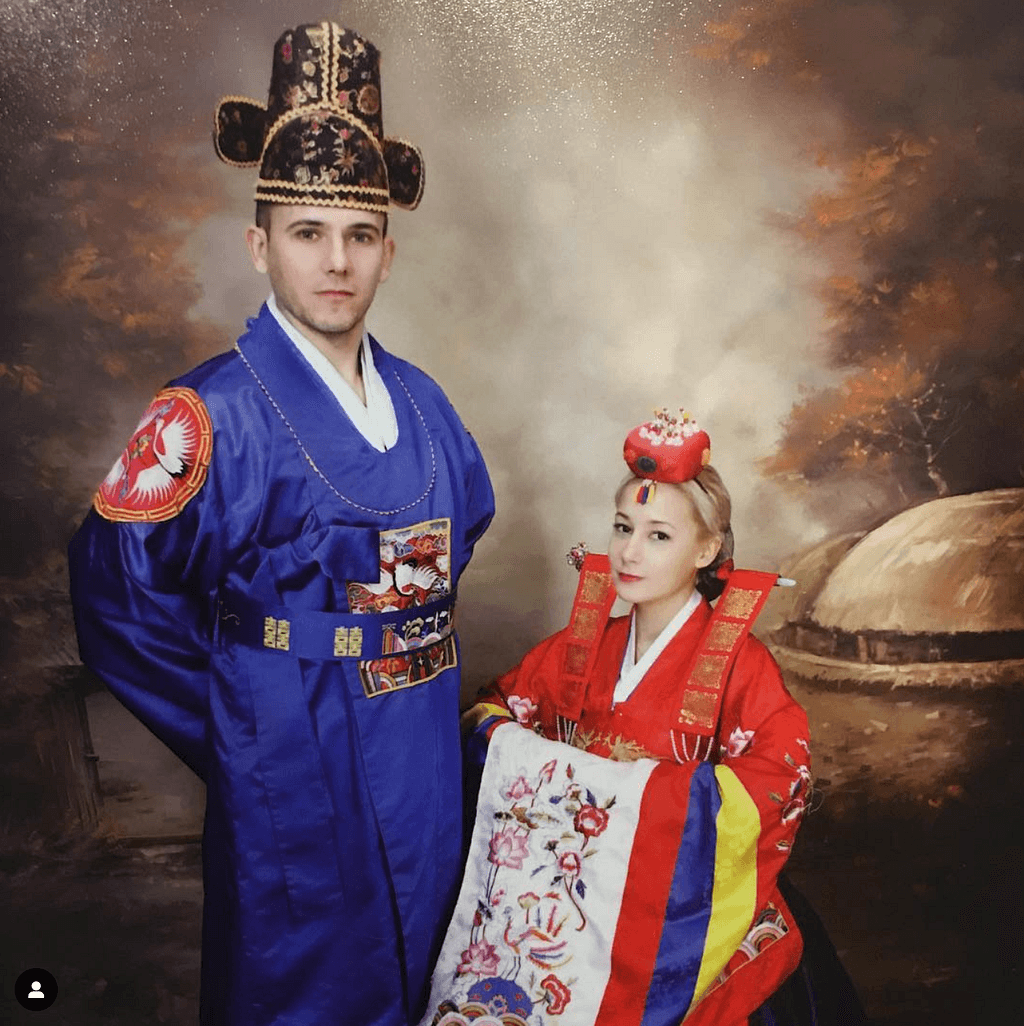
Papa Korke really was overflowing with love for his girlfriend. And guess what!! That romantic streak is exactly what powered the creation of Bachata Sensual!
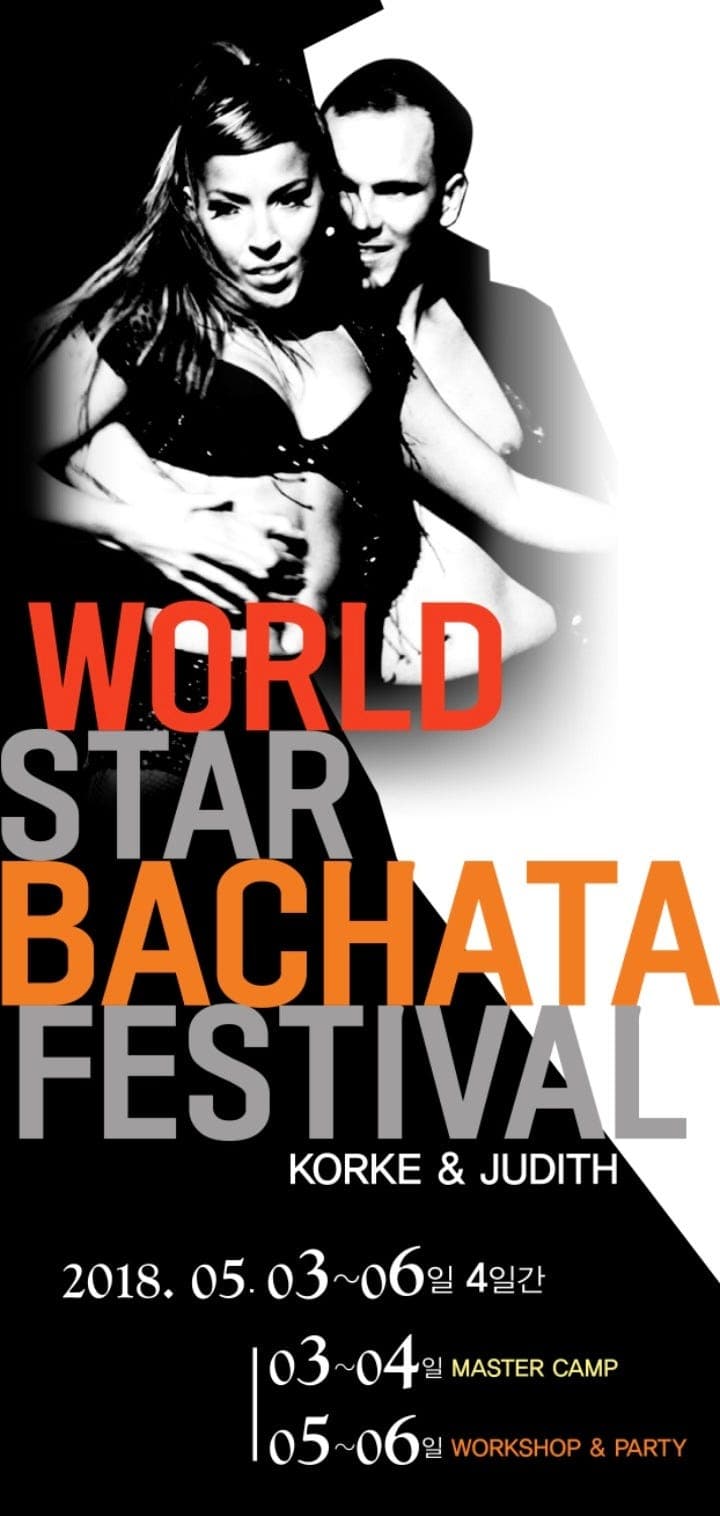
Korke y Judith's (KJ's) first visit made waves because of a showdown (?!) with Daniel y Desirée (DD). The event happened to overlap with the venerable Korea Salsa Bachata Congress hosted by teacher Son Nari. And the headline dancers of *that* event were Daniel y Desirée. Well, Desirée couldn't come because she was pregnant.
The world's best KJ and DD, both in Seoul on the same weekend. Honestly a ridiculous, agonizing situation. Where on earth was I supposed to go… In the end I bought passes for both and decided to play it by ear. I sat in on a bit of the workshop by Daniel and Marichu (Desirée's sister and also her sister-in-law, standing in for Desirée at the time), then slipped out fast and joined KJ's workshop. And I remember the relief I felt sitting in that class. To think I almost missed this…
DD are the world's best sensual dancers, and the very people who spread the fantasy and desire for sensual across the globe. But in terms of teaching content and depth, KJ were overwhelming. Granted, Desirée wasn't there at the time.
Ironically, KJ's second Korea tour — the Sensual Tonight event — was organized by teacher Son Nari. She invited the dancer who'd clashed with her congress right back for her own year-end event. December 21–22, 2018… the year-end mood was peaking, and everyone's sensual was slowly ripening.
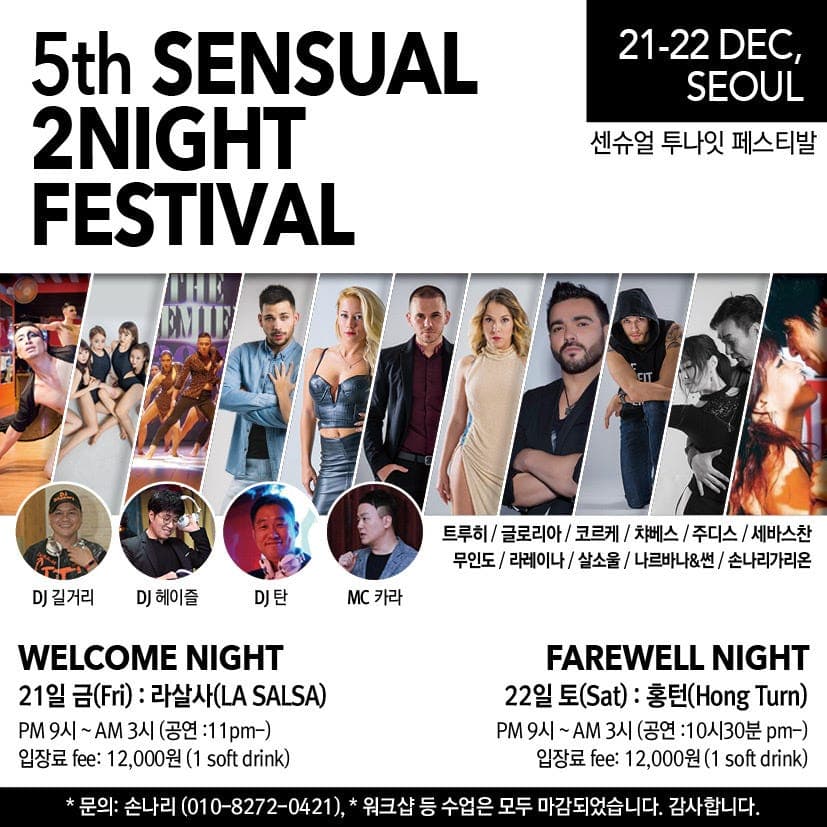
Look at the poster…. Is this lineup for real? Yes, it was real. I saw it there with my own eyes. Christmas was coming, and every single person on that poster was crammed into that tiny Hongdae venue dancing socials with everyone. Bachata lovers from all over the country poured in, and we danced like crazy with whoever we could grab, no one left out. Along with Bachata Marathon, it's still the most memorable event ever. But setting the social aside, the people who left me the most memorable *learning* were exactly teacher Korke and teacher Judith. And they're coming to Korea for the third time now. Exactly five years later.
How Old Is Bachata Sensual?
How long do you think sensual bachata's history is? The official word a few years back was 15 years, so it's probably around 20 now. But what's the starting line for that count? Korke started bachata in 2001 (salsa around 1999). So roughly when Papa Korke started bachata seems to be the reference point. Judith started partnering with Korke in 2008. By that measure it'd be 14 years, but they seem to date it earlier than that.
So through this and that estimating, I figure sensual bachata's age is a little under 20 — like a high school junior or senior with college entrance exams looming. (I really wish the creator would just pin this down for us!)
Anyway, nearly 20 years is a pretty long time, right? But how did this history of bachata sensual even begin? How did teacher Korke — the man they call the Creator of Bachata Sensual — pull off the magic of naturalizing that rock-solid Dominican firstborn into a Spaniard? Today I want to dig into the most important event in the modern bachata universe: the starting point of the vast worldbuilding called bachata sensual. Because I think only then can we properly understand who this Korke we're about to meet actually is.
Bachata Sensual = Bachata Made in Cadiz
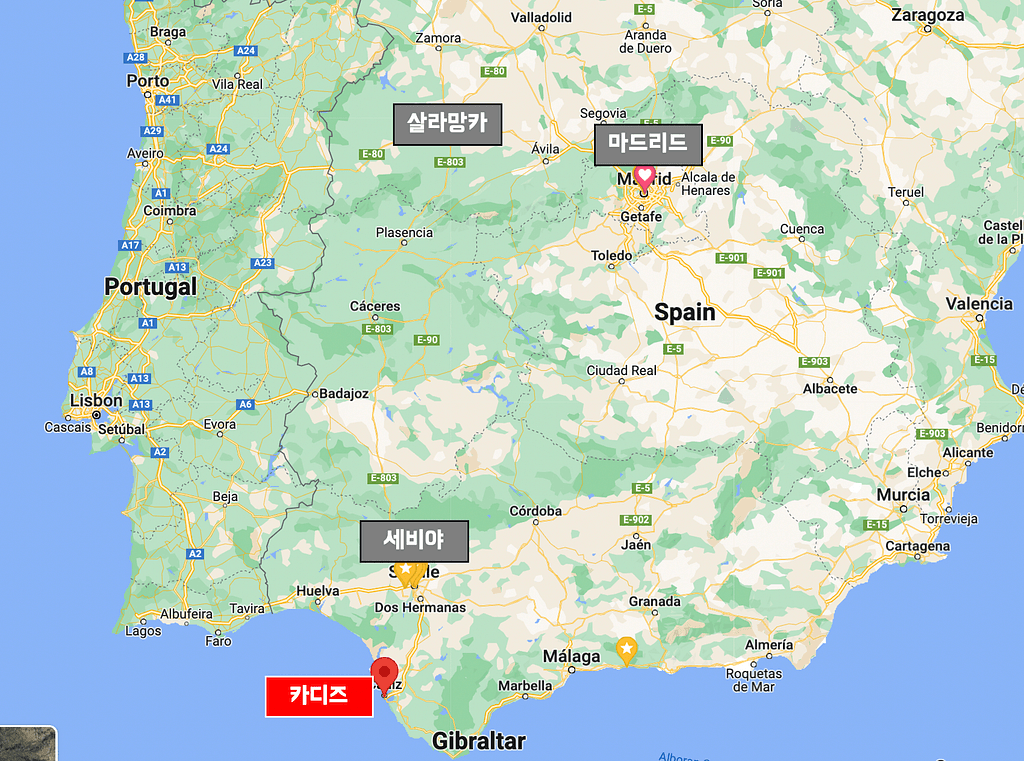
If bachata sensual has a nickname, it'd be Bachata Made in Cadiz. Cadiz is a stunningly beautiful ancient port city in Andalusia, southwestern Spain. All sorts of historical events happened there, and apparently the old town's alleys wind gorgeously inside the Cadiz city walls that wrap around the shore. (Speaking as someone who only knows it from reading.)
You can see how beautiful Cadiz is in the music video for ⟨1+1⟩ by Dani J and Mario Baró. Shoot a bachata short in a place like this and it'd hit a million views, right?😆
I also still remember the website for Sensual Week — the event Korke ran for bachata sensual instructors worldwide. Right there on the homepage they'd laid down the view of the fortress walls ringing the Cadiz sea. Such a gorgeous image, the kind that stirs up every fantasy you have about bachata sensual.
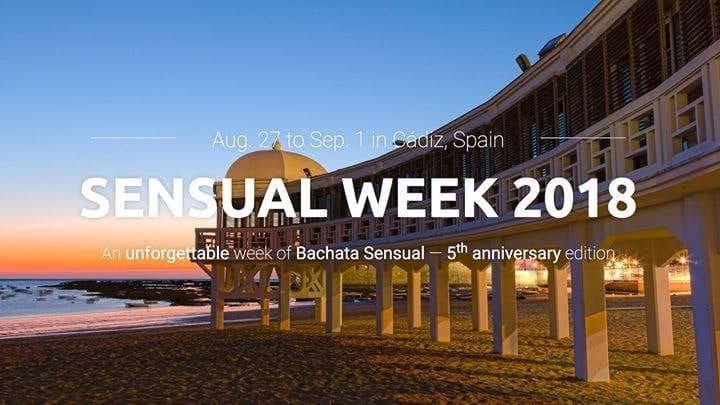
The event called ⟨Bachata Made in Cadiz⟩ is still running. It's not the most popular event given its geography, but it feels like the family-hometown-holiday gathering where all the ambassadors (bachata sensual's tier-one dancers) come home.
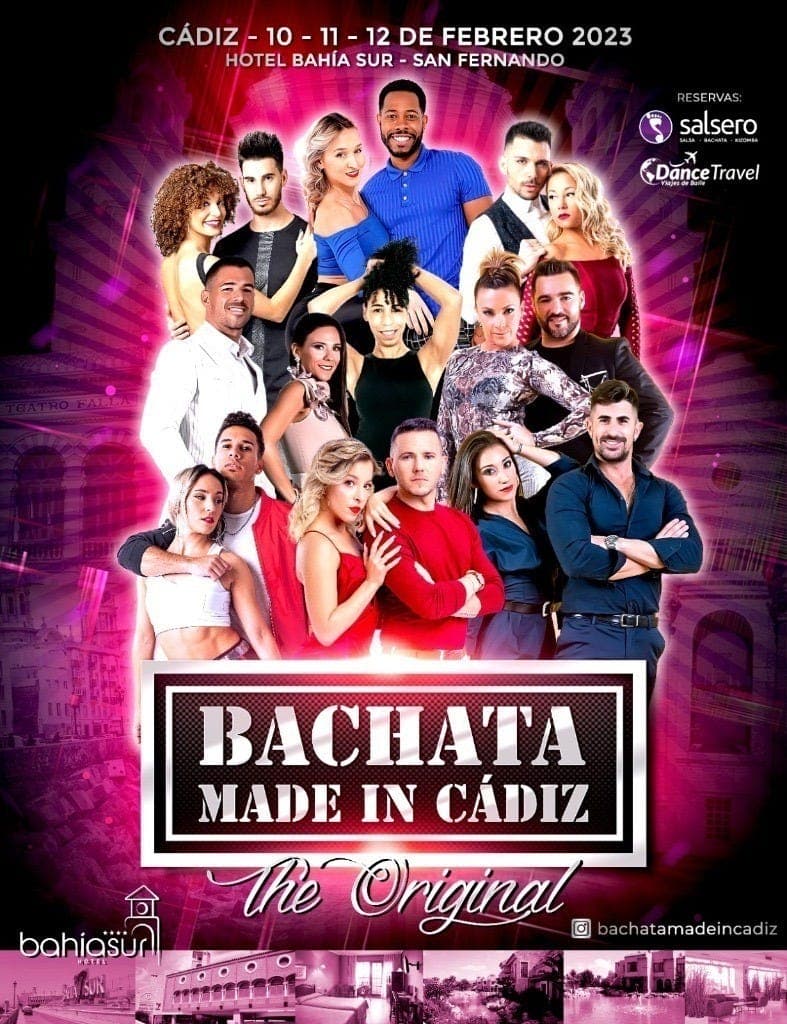
So how do I put it — Cadiz is like Jerusalem for Christianity, Mecca for Islam. Because Korke is from there and that's where bachata sensual was born. These days Seville, the flagship city of that same southern Andalusia, has become the main hub, but the core of bachata sensual is still Cadiz. And the southern region centered on Cadiz.
Case in point: when Sara (yes, *our* Sara Panero!) came to Seville for her first ever bachata competition, she saw all the southern-born dancers gathered there (Luan and the rest) and felt like a total outsider — and she said in an interview that that very situation became the thing that let her overcome her natural shyness.
Marco y Sara's Grupo Esencia turf^^; is up north in the Madrid region. And Sara is from Salamanca, even further north. That Sara felt regionally sidelined tells you how much Cadiz and Seville, that southwestern corner of Spain, are the ultimate insider zone of bachata sensual.
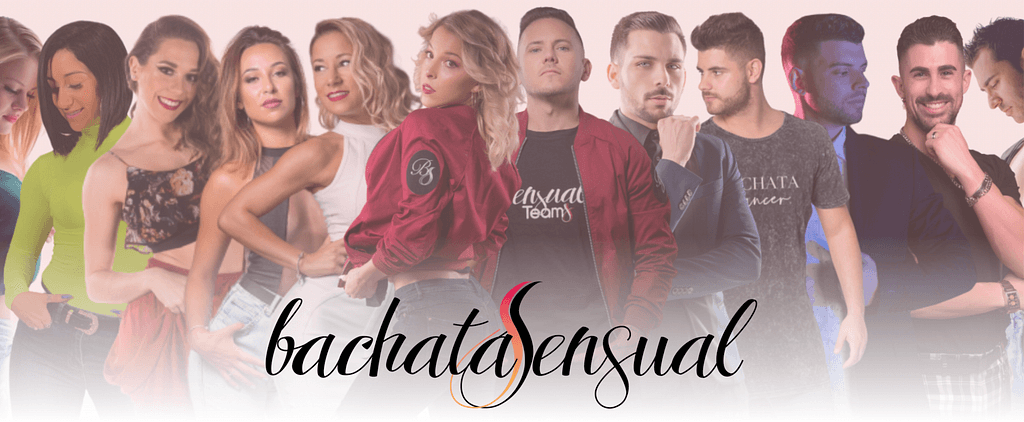
On top of that, our beloved Dani J and Mario Baró, DJ Khalid, DJ Husky, DJ Pakinho and so on are all from this region too. The ones I call the Seville squadron. They hang out in the same neighborhood with their sensual dancer friends and cook up the music that fits that dance best.
Once the music is made, dancers from that same neighborhood shoot the music video, then play those tracks and do demos at workshops abroad. And then we go, whoa what's *that*? and start listening to the track, which pushes the song and the artist's popularity up again — a monopolistic distribution loop. Two birds with one stone, built on perfect chemistry between the dance and the music.
The flagship product of all that is Dani J's ⟨Bachata Sensual⟩, with Korke y Judith right there in the title as featured artists. Consider this track the national anthem of bachata sensual and its most heartfelt tribute song.
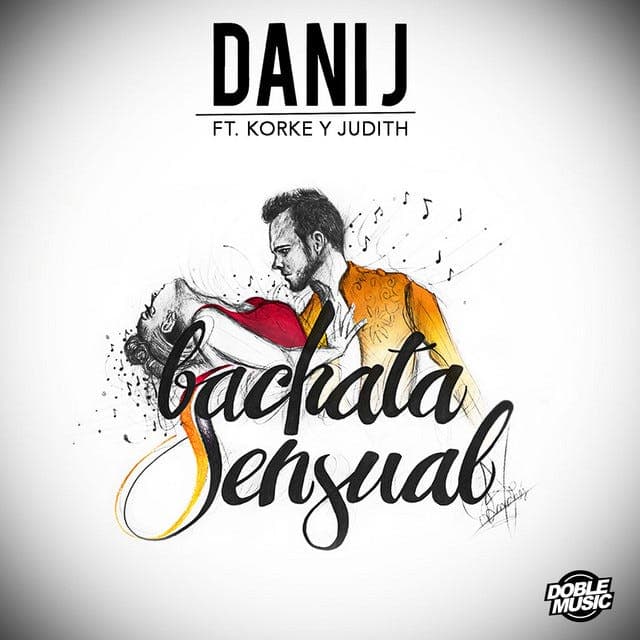
The cover art even has a caricature of Korke y Judith and the official BS logo on it! The lyrics are basically Korke's heart on the page. (Either Korke wrote them, or he laid out the concept and the lyricist put it down…)
Bachata of inspiration, you fly all over the world waving the flag of Andalusia.
Imagine how bad Dominicans must feel hearing those lyrics lol
Of course, these days sensual dancers all over the world have branched off with all kinds of distinct flavors, and Madrid's fierce tigers ⟨Grupo Esencia⟩ — who raised their profile through the pandemic with flashy, exciting video and visuals — are running the show. But still, when we speak of bachata sensual in Serious Font, the wellspring is Bachata Made in Cadiz. Just like the holy land of Dominican bachata is the Dominican Republic, Santo Domingo.
The Beginning of Sensual — Music as the Trigger for a Change in Dance
Korke is from Cadiz, and he apparently worked as a waiter there. He said he thought he'd never leave Cadiz in his life. And that he started LA style On1 salsa after watching a movie called ⟨Dance with Me⟩.
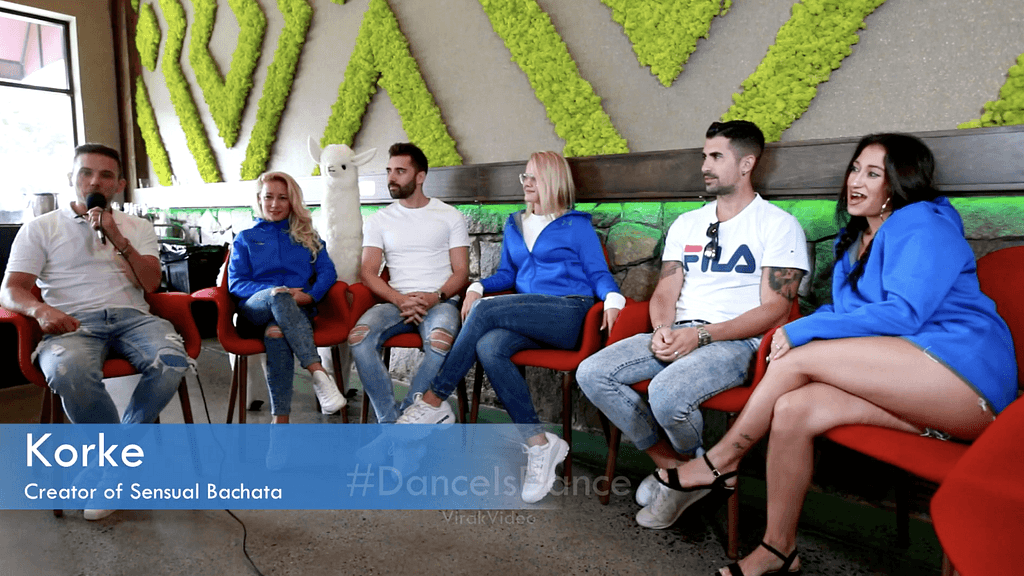
So what happened after that?
Korke must have been a smart guy. Not long after learning salsa, he started teaching it. But Korke liked bachata. More precisely — he liked bachata *music*!!! (Eeee — same, same!) Let's hear it straight from Korke.
"I always loved bachata music. I especially enjoyed listening to the very soft ones. When I was younger my parents were always listening to bachata. I didn't even know it was bachata, but I loved those songs. I felt like that music was always inside me. The one who's always been an inspiration is Juan Luis Guerra. He sang very slow bachatas, almost bolero."
So Korke encountered bachata music before bachata dance. And that happened to be exactly when the paradigm of bachata music was completely shifting. Juan Luis Guerra had arrived, and Aventura was getting started.
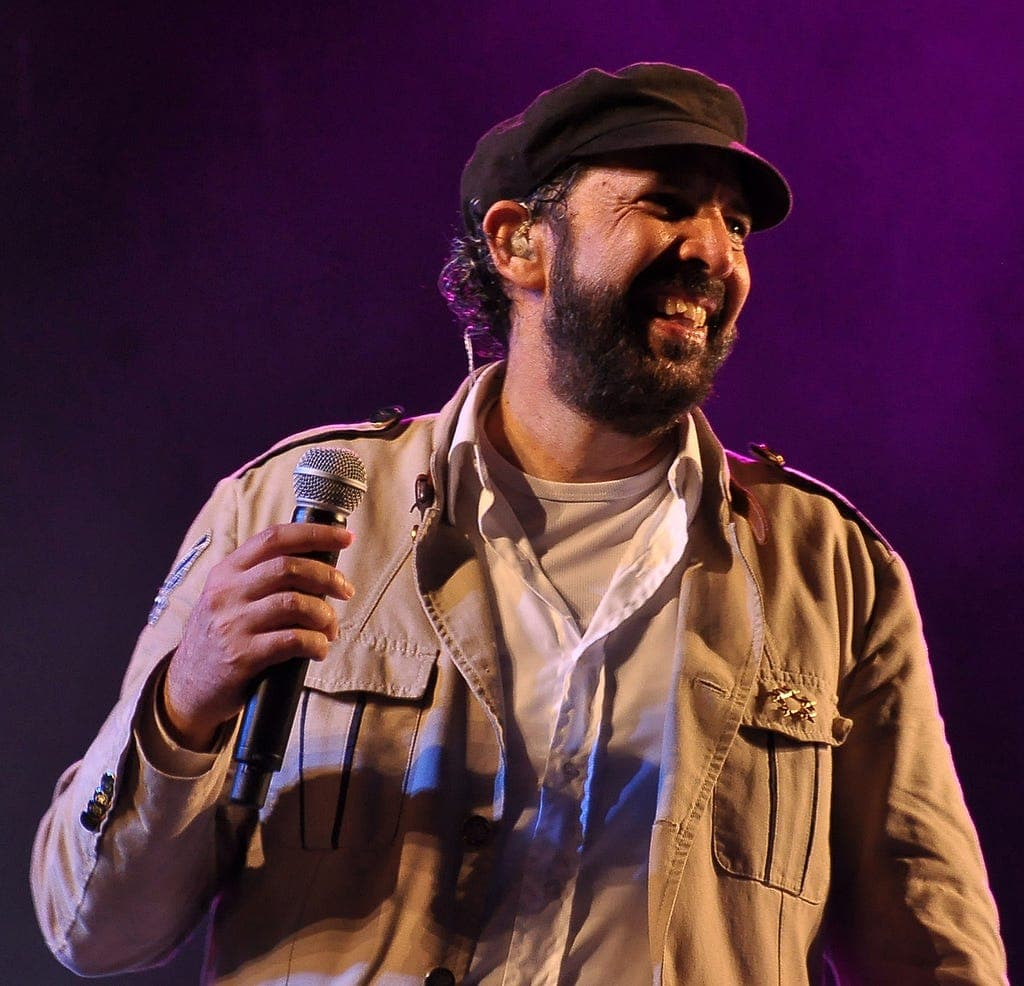
⟨Bachata Rosa⟩ by Juan Luis Guerra, known for changing the history of bachata music, is 116 BPM. Juan Luis Guerra sang a completely different kind of bachata — romantic and beautiful — from the earlier Dominican bachata that easily blew past an average of 130 BPM. And that's how he opened the era of modern bachata.
The problem was! The music was changing like this, but the dance stayed the same. The bachata people danced was still that simple Dominican style — a man and a woman holding hands, one, two, three, and a hip pop on four. You think that bouncy (goofy?!) basic step was going to satisfy romantic-guy Korke, who flew from Spain all the way to Korea to cheer on his girlfriend's tour? A gap had opened up between the existing bachata dance and this new music. And Korke spotted that gap.
"Back then I only knew the bachata basic step. One, two, three, and the hip. But his music made me want to dance closer to my partner. To hold my partner, feel the rhythm, and do slower movements. No — it just happened naturally in my body."
Korke was a thinker. With the music changing but the dance not, he started working on a new dance that fit the new music. A dance suited to more romantic, beautiful melodies. And a dance centered on movement that lets Spaniards' extraordinary dance ability shine at 100%.
Music stayed a hugely important motive for Korke's evolution afterward too. Sure, that's true of every dancer, but for KJ it seems a bit more special. He even confesses that in a performance, choosing the song is harder than creating the choreography.
"How do you make a creative show… a lot of people ask this. Unlike what people imagine, it takes a really long time. We spend so much time together asking, 'What are we doing?' We make choreography, and if it's not good we throw it out, and change it again… we change it countless times. The hardest part is finding music that satisfies us. We listen to the music and build the story we want to tell people. This is very hard. Because at first, we don't know what story we're going to tell."
And later Korke even experimented with the music itself. The performance ⟨Cai⟩ below is a stage dedicated to his hometown Cadiz. A bachata performance set to flamenco music, not bachata. Judith even dances flamenco in the middle. Beyond bringing a new dance to new music, now he was experimenting with changing the music itself. And doing it grounded in his identity as a son of Cadiz. This experimental spirit is exactly Korke!
Korke the pioneer, who spotted the gap between dance and music, filled it, experimented with the dance and then with the music too, endlessly taking on new challenges! And milky-white-skinned Korke, who wove the storytelling of his own root identity into all of it 🙌🙌🙌
Bachata sensual started like this — not by parroting what was already there, but by one person who did his own thinking.
"It probably stirred a special kind of feeling. Cadiz is our city, so it was very special. This music talks about Cadiz, especially about places very close to where we lived. It was important to feel like you'd become someone who lives in Cadiz. The smell of the sea, and flamenco… in this choreography we tried to bring in the elements of our hometown."
In 2022, the music is changing again. Who will fill this new gap, and how? Will someone be able to speak about our hometown through dance?
The Birth of the Principles — Bachata's Singularity: from *how do I do it* to *how do I make it happen*!
So the new music naturally called for new movement, and Korke started teaching it to people. Korke must have been a good teacher. People who'd been learning salsa came and said they wanted to learn bachata too.
"At first I danced and taught salsa, but I wanted to dance bachata too. Because I loved bachata. People started coming and asking, Korke, why don't you teach bachata? I answered, I only know a few basics in bachata. And then I started teaching. At first I taught the wave, but people said it was kind of vague. So I had to create new moves."
There's something Korke always says. That bachata sensual was born out of his own ignorance. If Korke had known a lot about bachata and had plenty to teach, he'd have just been busy passing that along. But ignorant Korke, who suddenly became the neighborhood bachata teacher without knowing squat, had to invent what he was going to teach himself. And he turned that opportunity into a chance, and started devising new-style movements to match the new music he loved.
But here's the thing…. (in true true-crime-show voice) In the middle of teaching the moves he'd devised in class, he got a question from a student. And I think that moment of questioning may have been the single most important moment in the birth of bachata sensual.
One day in a lesson a student asked me, "Korke, how do I get a woman to do the move you created?" I had nothing to say, so I told them, "I know how to do this move, but I don't know how to make a woman do it. I'll tell you tomorrow." And from that point I started developing all the technique guides.
Wow!!!!!! Yes, this is it. The moment the question flipped from *how do I do it* to *how do I make it happen* — the moment the axis of the bachata paradigm shifted, like going from geocentrism to heliocentrism. Bachata's singularity.
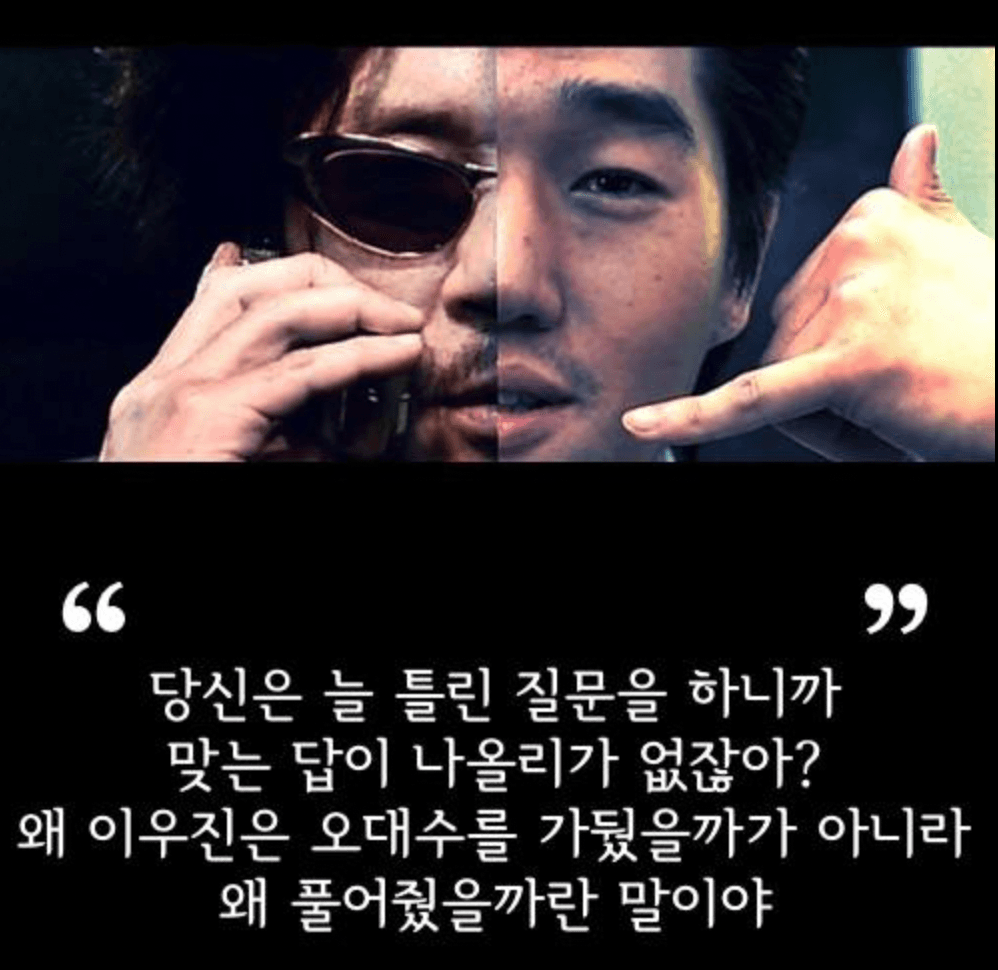
The question changed from how do I execute this movement well, to how do I create that movement in someone else. The moment a new question was thrown into bachata history. I see this moment as the true starting point of bachata sensual. (Which is why I'd like to designate the day that student asked that question as the day bachata sensual began. If anyone gives me the authority to decide!)
And Korke the thinker started thinking again. He must have agonized and experimented. These are the moves that fit the new music, sure — but to actually make that move happen, what does the other person have to do? This is precisely the starting point of the "principles" we learn today.
Onda (wave), double time (the man's step change), rompo delante (break forward), pinza (lower-body block), paseo (walking), body roll, media (the follow's 180° turn), slide and so on — the driving principles behind so many of the movements we do now must have started getting organized from that day. Starting inside the head of a Korke who stayed up all night working out what to tell the student who'd asked.
New music created new moves, and the principles created the mechanism that makes those moves happen. Those two things combined into what we now call the fundamentals of bachata sensual. And that's how bachata sensual began.
And those fundamentals are still evolving and developing today. Because Korke is a man who doesn't stop thinking. At least as of the last time I saw him. I remember something he said in class the last time he came in 2018. Explaining how to lift the follow up, he said that last time he came he'd told us to raise the arm, but after working on it more he found you don't have to. That without changing the arm position, you can achieve the lift just by controlling the follow's wrist with your thumb. Like this, we're still experimenting and evolving too.
So with Korke, I never ask the question, is there anything left to learn from this person? Because Korke was someone who never stopped thinking like that. Just receiving the distilled essence that a person who repeats that kind of experimenting and agonizing has stacked up over 20-plus years is more than enough.
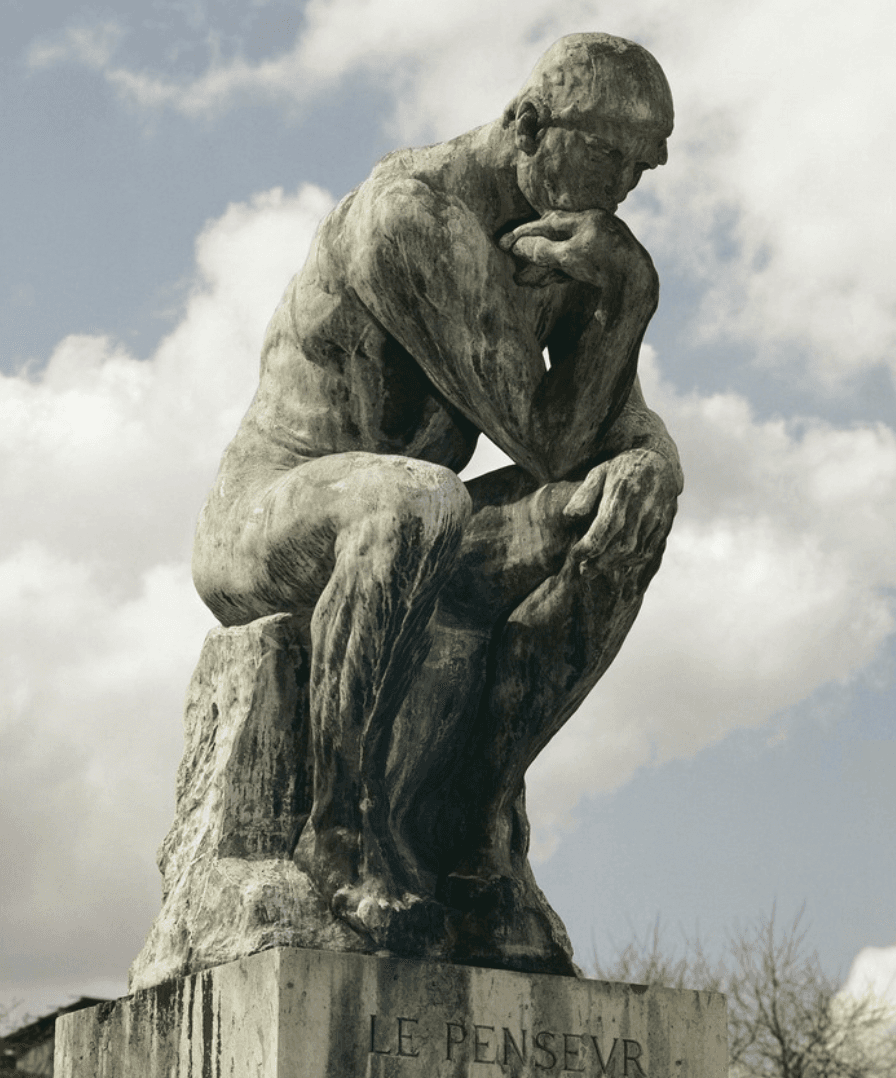
It was really hard. I want to dance with abandon (just gooo~), and they tell me dance means receiving a lead and executing the movement that lead intends. *This* is dancing??!! I was so frustrated and lost. And conversely, somewhere out there may be leads suffering the opposite way — I want to dance *my* dance and express the music myself, and they tell me dance means making the woman in front of me move.
But dancing bachata sensual means, *at least at first*, changing the question. From how do I do the move, to how do I make the move happen (for leads). And the woman (the follow) waits. Having built a body that can do whatever move the lead calls for. Because His Holiness Korke decreed it that way :) (Of course after that there's a second dan, and a third, a fourth… all the way to the one-million-and-seventh dan~~)
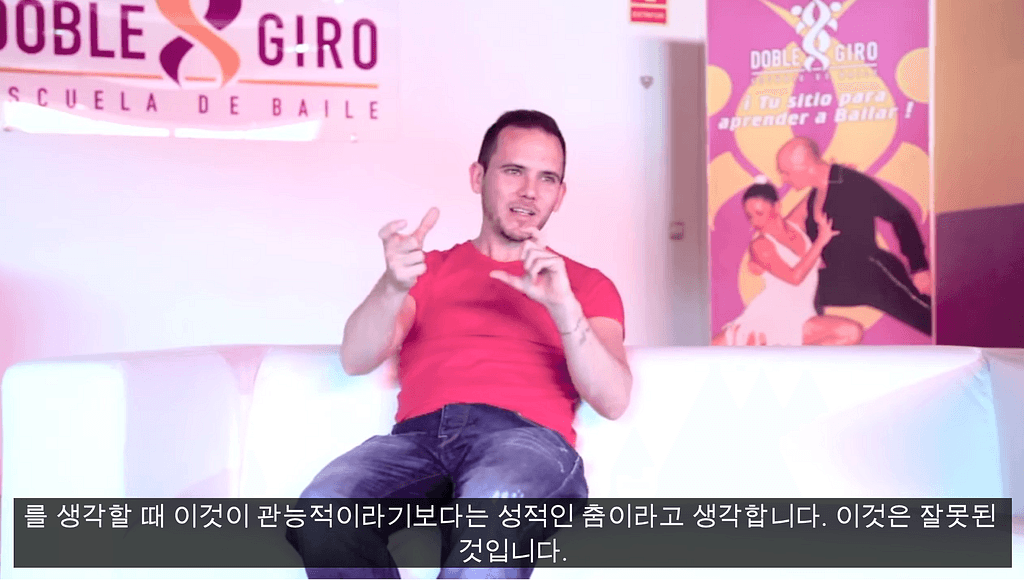
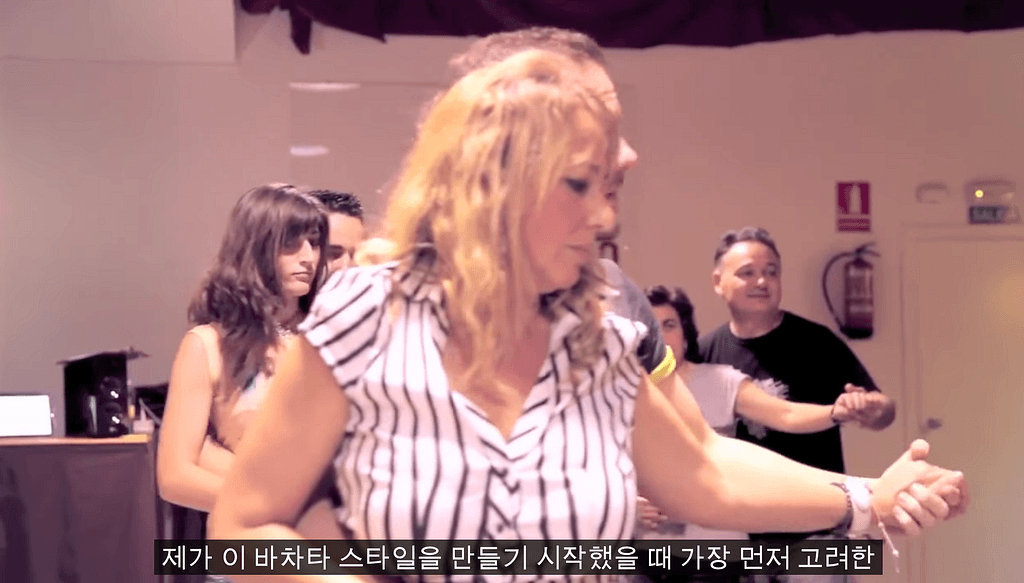
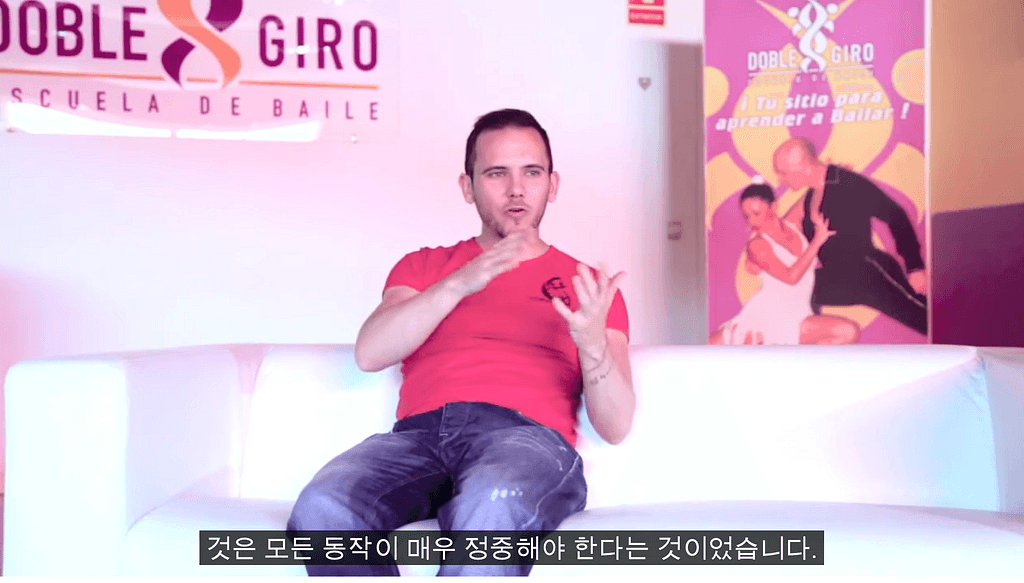
And the thing Papa Korke always stresses. That this is not sexual, it's sensual. That no matter how close the distance between a man and a woman got, every single movement was designed from the very beginning with respect for your partner as the top priority. That's coming from the person who created this in the first place.
Spreading the Universe — Branding and Methodology
So Korke had established the principles. But of course Papa Korke didn't stop there. His next question was this: how do I spread this new dance built on these principles to a wider world? So Korke established not just the principles of dancing this dance, but a methodology for teaching those principles. That's Korke's brilliance.
"I see my own identity as an instructor for dancers. What matters to me is people changing, and how they evolve. Some people started from absolute zero and are now world-class dancers."
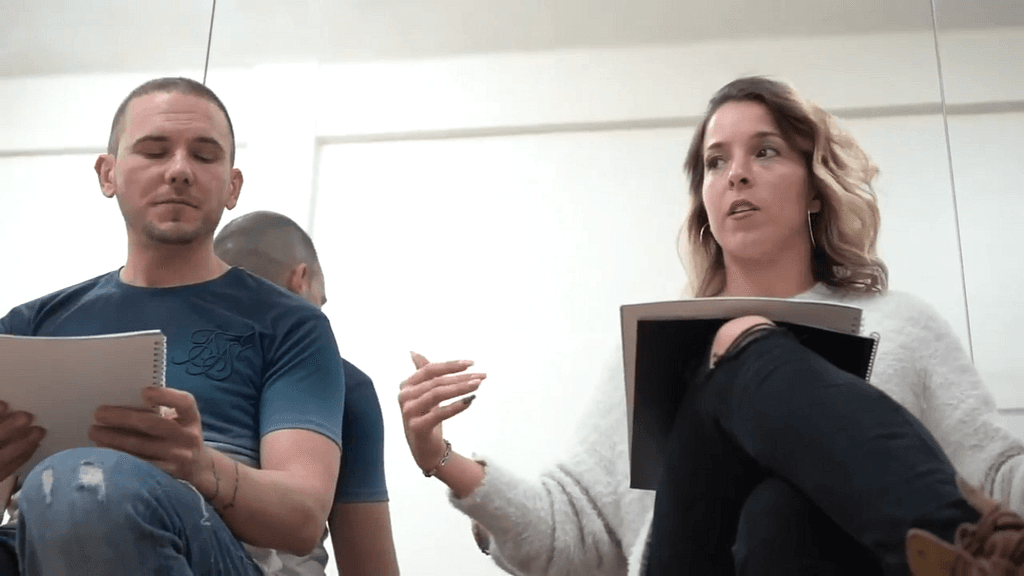
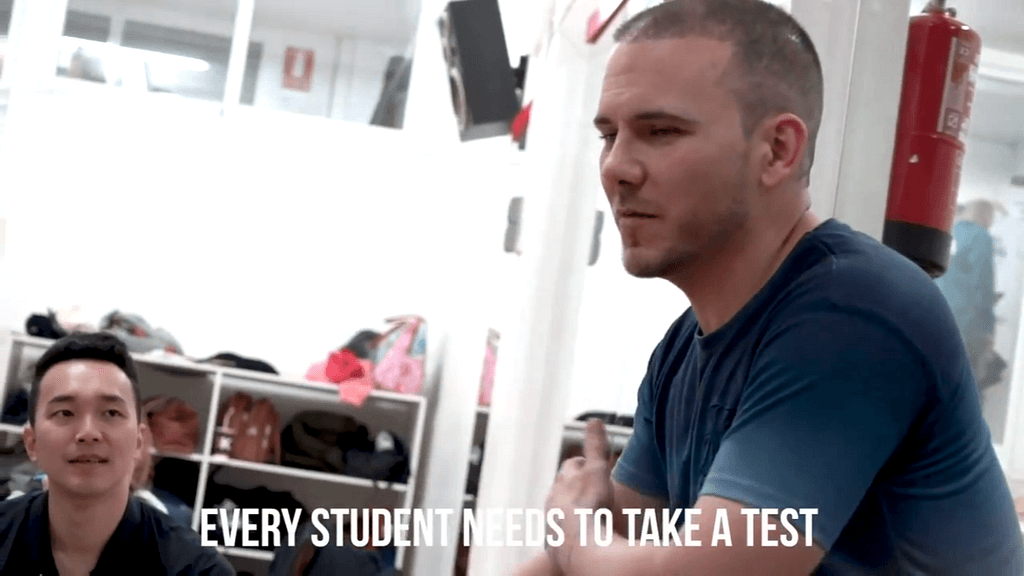
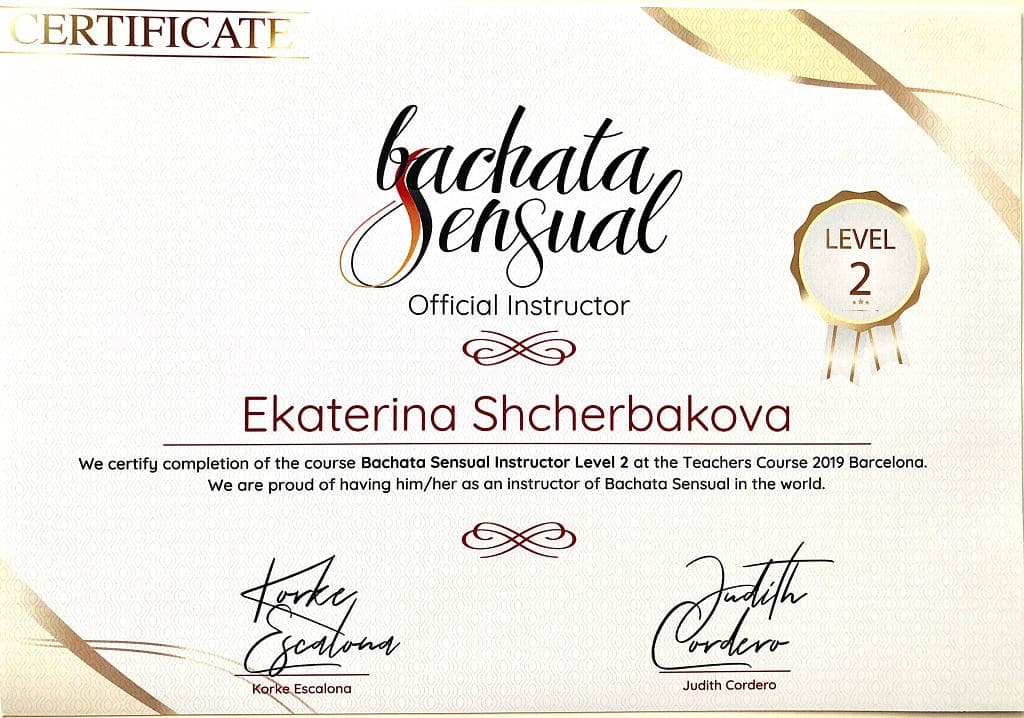
To do that he compiled textbooks, gathered promising top dancers and designated them ambassadors, and created teaching courses. Crowd-drawing tier-one dancers like Luis y Andrea, Kike y Nahir, Kiko y Cristina became missionaries of bachata sensual and pioneered regions all over the world, and below them he built teaching courses to gather beginner instructors, put a textbook in their hands, taught them how to teach, and issued them certificates.
They went out as certified instructors in the blue-ocean market that was sensual, built up name recognition in their local scenes and taught classes. And the more they did, the further bachata sensual spread across the world. He built a win-win structure between a new dance and new people.
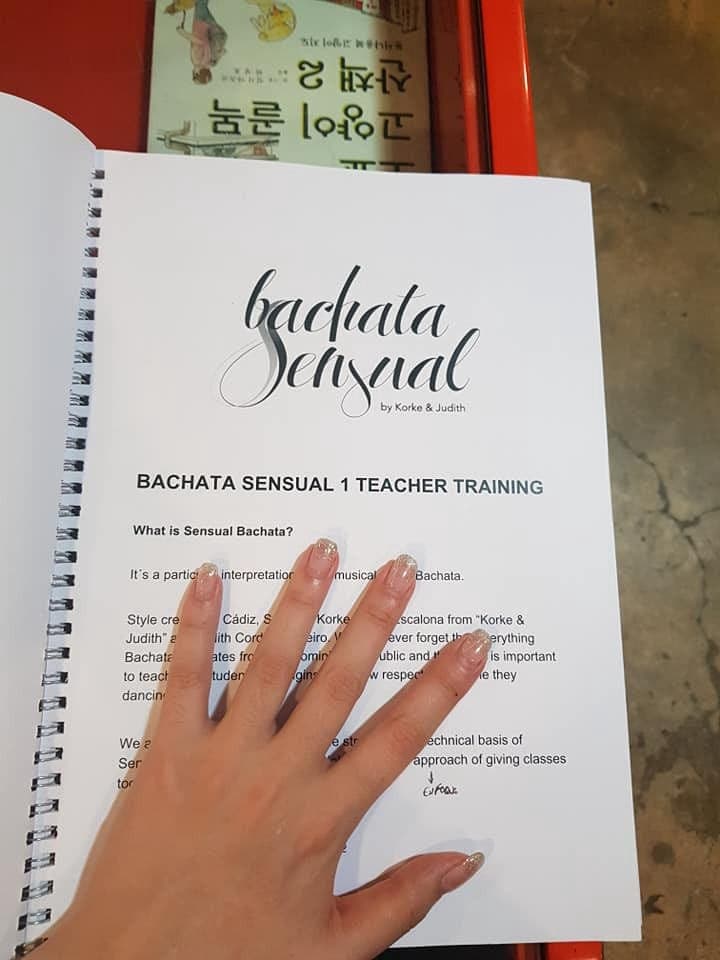
Meanwhile, he was an excellent businessman too. Branding bachata sensual and making and selling everything from a logo to all kinds of merch, making songs, holding events, touring workshops… building Team Sensual and selling choreography worldwide. Seems like a guy absolutely brimming with entrepreneurial instinct. Looks like he did everything doable, from product development to business sales.
And he succeeded! I don't know how much money he made, but he did spread what he created to people all over the world in a whole field. Honestly, isn't that an outstanding founder? In the end he introduced a style completely foreign to existing bachata and conquered the bachata world, going beyond the giant church that is Dominican. All while always saying he respects and protects the essence of traditional bachata. That's both respect for Dominican and a claim to bachata sensual's legitimacy. (Even if he uses the word traditional rather than Dominican.)
And honestly, it's because of that that sensual is alive today, and Dominican is alive, and all the other variants are alive. Bachata stopped being Dominican property and turned into a much bigger universe.
2022, right now. The wave Korke set off 20 years ago has now reached nearly every continent on earth. Every single week, somewhere out there, someone is teaching someone sensual with his methodology. In English, in Spanish, in Japanese, in Korean, in Portuguese, in Chinese, in Russian…
Korke spread not just a dance, but a civilization.
And now in Korea too, sensual has become our dance — the one that comes to mind the second you hear the first syllable. (Varies person to person, but that's how strongly I feel it^^)
Why is Korke coming back to Korea this time? I sent an interview request just in case, but honestly I already know. He just wants to see it once more. This place where his methodology has taken root. He wants to see Korea's sensual dancers respecting their dance as dance, respecting their partners, and having a conversation with the music. And he probably wants to take away one more thing learned, and try one more experiment.
To everyone who dances and has come to know this person Korke, and to you reading this: let's throw out the question one more time — how are *you* doing it? Let's wait for the moment that question changes. Because it feels like a door will open to some new world, different from everything so far.
 39
39