 My Honey Jar
[Sergio y Ana Interview] Beyond Bachata, Toward Something Higher and Deeper
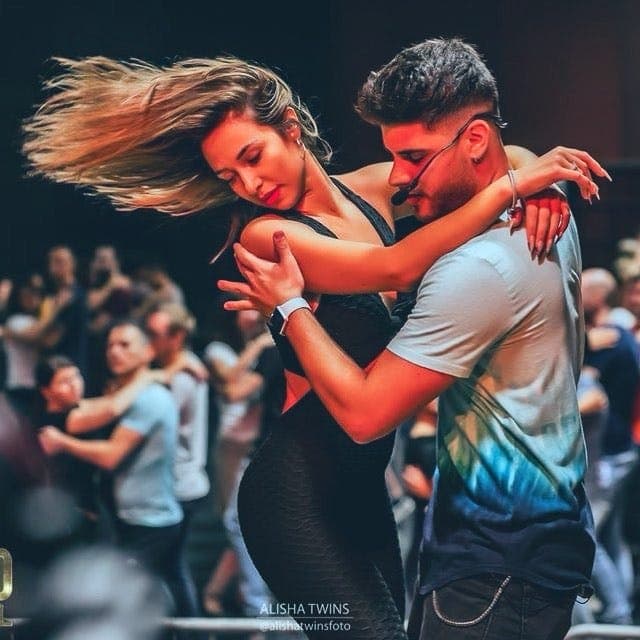
A serious pursuit of beauty and perfection — Sergio y Ana.
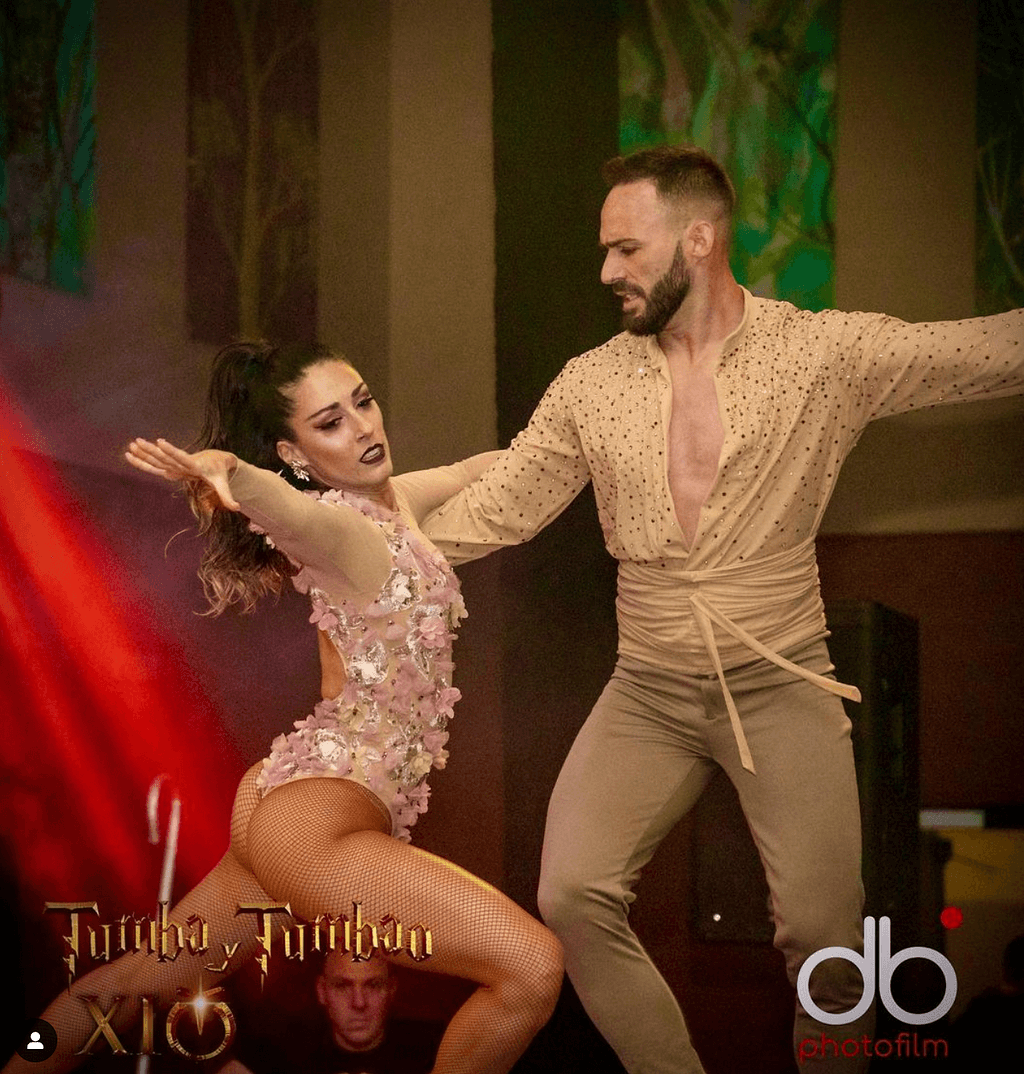
Sergio y Ana.
Their YouTube barely updates. No constant Instagram posts, no flashy outfits, no stream of music videos set to whatever's hot, no glimpses into their private lives. Social clips are rare, and good luck finding anything resembling fan service… These two were a total mystery.
But every time one of their occasional performance videos dropped, my heart would go completely off the rails. Those demos, elegant and precise… a structural lead that seems built on a deep understanding of the human body. A follow so fluid there's not a single snag anywhere. With zero background knowledge, I admired these two purely for the dancing my eyes could see.
Honestly, I wanted to write at least a line about them before the tour, but I had literally nothing to say. And then I saw <Contra La Tormenta> live — a performance that needs no words….
Once the overwhelming rush had (slightly) settled, the questions started. How on earth does a monster dancer like this even come into existence? How did these people get here? How were they able to do THAT?
So I asked organizer Sora Dalkong-ssaem to set up a chance to meet them in person. In my head we were up at the top of Seoul N Tower, cocktail in hand, having an elegant conversation against the city's gorgeous night view. In reality: even after the event ended, their schedule was still packed. Plus, you know, it was year-end.
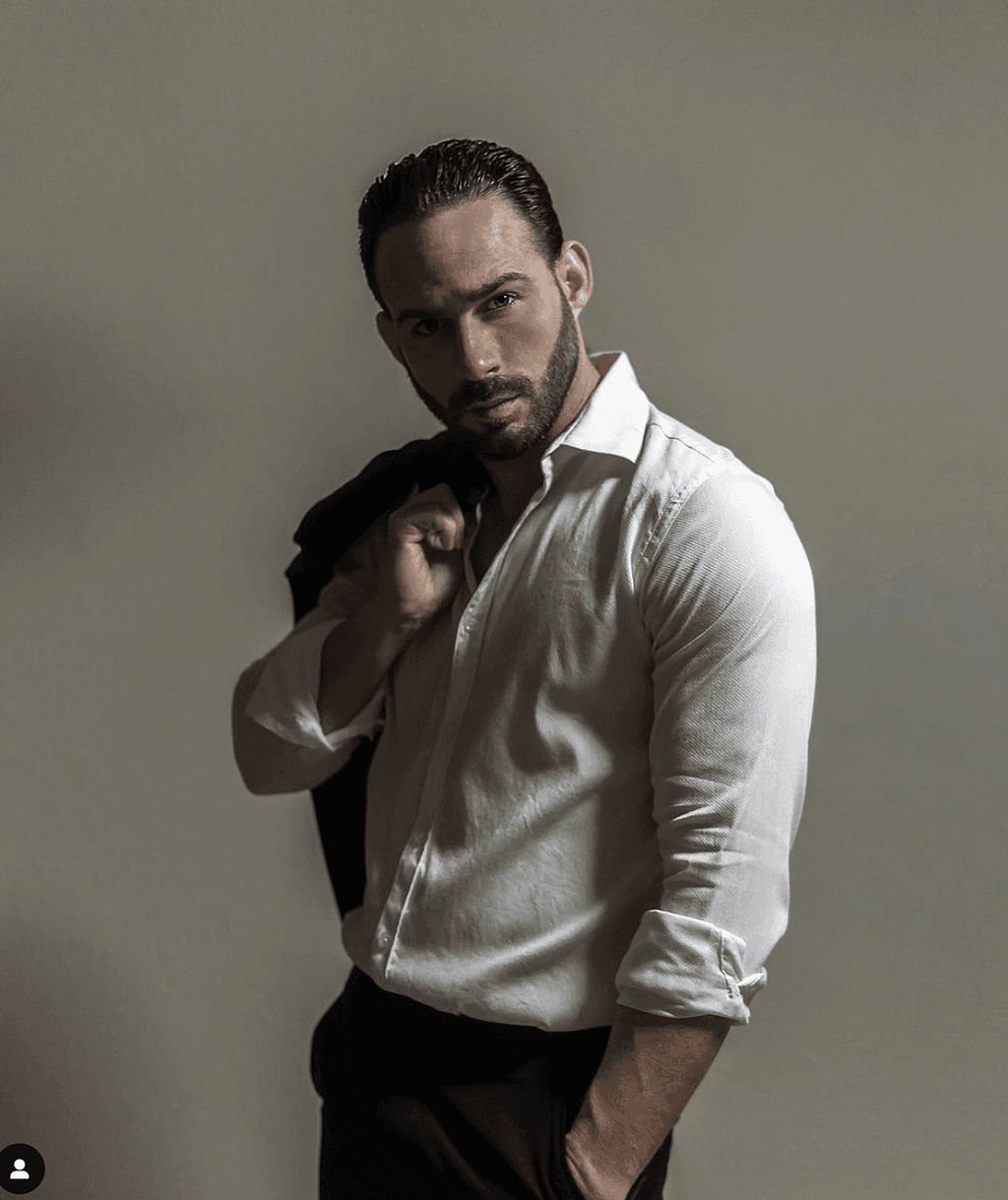
This absolutely was NOT motivated by my personal feelings about Sergio. You all know that, right??? I just like bachata, that's all…🥳🥳🥳
So instead we met the two of them face-to-face in the cramped little room of our hideout "Abanggung," over a plate of tangsuyuk. Yes! THIS is the right place and the right way to do this! K-bachata style pre-party~~
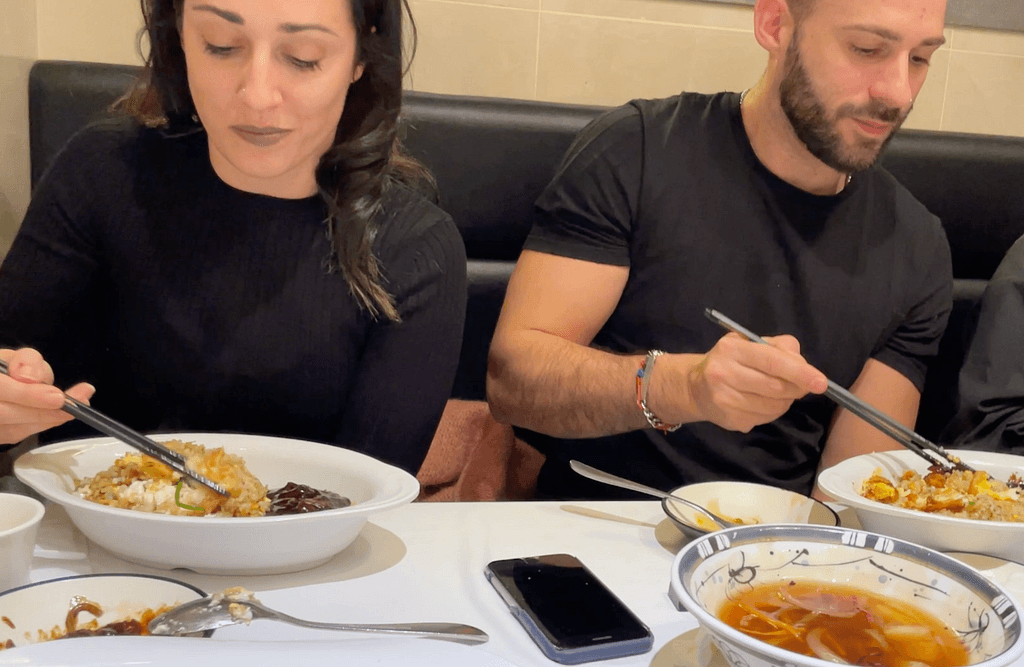
And we heard stories I'll never forget. The path these two artists walked. The secret behind how they could pull off a performance like that. And it got me thinking. Do I have this kind of depth in my own field? Am I challenging myself at harder heights, pursuing something this seriously? Am I a pro?
Meeting dancers I love so much and ending up examining my own life. Sharing all of it with you here. Just like their brilliant performance, workshops, and socials, they answered every single question honestly — my heart is fluttering all over again. Thank you, Sergio y Ana. And Sora Dalkong-ssaem too. Thanks to you I got to check off one of my life's wishes~~~
"I've wanted to bring them to Korea for years, since before COVID~ Their moves are so good you have to see them in person — it's a shame video can't capture it!" — a word from Dalkong-ssaem
Word is that Sergio y Ana were so moved by the devoted care from Sora Dalkong-ssaem's Latin Cielo that they threw themselves into the event even harder~ Alright, shall we start the interview?
Dance Background
Q. When and how did you start dancing?
Sergio I started at 14. My sister ran a dance academy near our house, and she asked me to help out with classes. I'd been playing basketball, but I switched to dance. About a year after I started teaching, I realized dance was the "passion" of my life.
Q. You'd never danced before that?
Sergio No. The first person in my family to dance was my mom. She did ballroom as a hobby, and I used to help her prepare for local social competitions.
Ana I started dancing at 3. My mom sent me to an academy, and she wanted me to do traditional dance forms like ballet, contemporary, and hip hop when I was young. Then when I got a bit older I did ballroom, and finally I got into Latin dances like salsa and bachata.
Q. How did you get into Latin dance?
Ana I only started at 22, after finishing university. That was after I'd learned everything — modern, contemporary, all of it. I'd always loved Latin dances like salsa and bachata. But I only ever watched. My mom told me to do classical dance while I was young and save Latin dance for when I was an adult. Then I finally decided to do Latin dance and went to a salsa class. And there was Sergio, teaching salsa. (everyone — wowww~~)
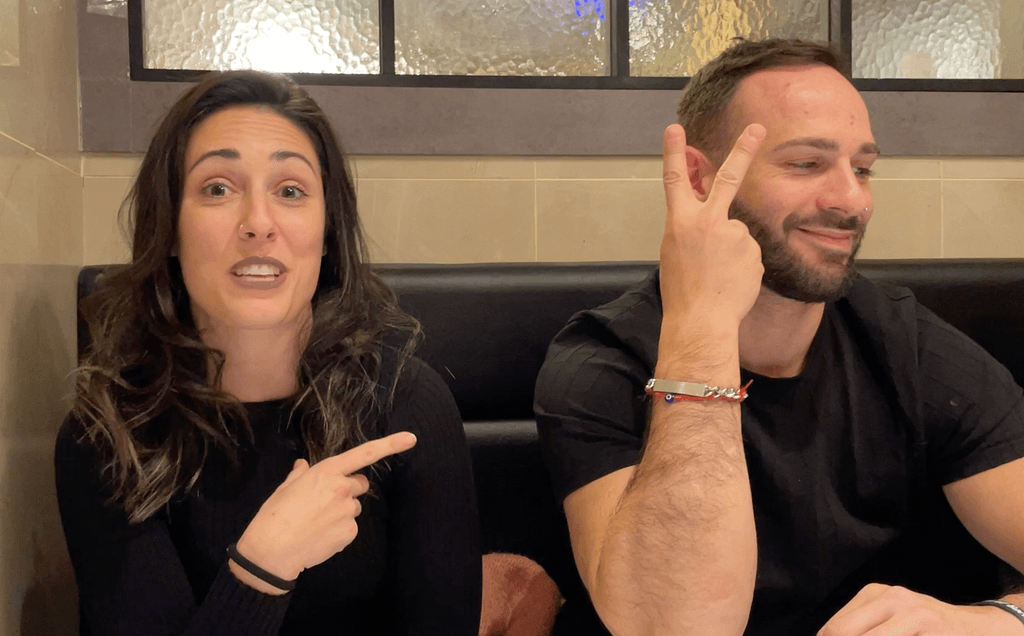
Yes! Sergio was my first salsa teacher. This was 13, 14 years ago. He was putting together an amateur student team there. I joined that team, danced with other partners for a few years, and then started my professional dance career together with Sergio.
Sergio When I started at 14, I did salsa, merengue, and bachata all together. Not as a professional dancer — just basics, that kind of level. At 17 I got serious about salsa and spent about a year learning salsa On1. After about a year of that, I entered a salsa competition with my sister and we took first place. After that I was a professional salsa dancer for 7, 8 years, and then I started doing bachata.
Q. How did you get into bachata?
Sergio Spain's salsa dance community is very small. So events end up booking the same dancers over and over. When Ana and I started our professional career, it was really hard to break into that community. That's when my sister gave me some advice — bachata events want new couples. I thought it was a good idea, and we tried moving over to bachata.
Ana It happened to be right when the bachata boom was starting. Every festival needed bachata dancers. So we thought let's give it a shot, and it finally became possible.
Q. Who did you learn bachata from?
Sergio When I first started at 14, there was no concept of sensual or traditional. You just learned the basics and that was it. When we started dancing together, we decided to learn from Daniel y Desiree and Korke y Judith. Korke had already started the sensual style a few years before that.
When I was starting Latin dance, Korke and I learned from the same salsa teacher. So Korke was my friend even before I learned bachata. When we started bachata, we talked with Daniel y Desiree and Korke y Judith. They were the most famous dancers and instructors. But learning from Korke was really hard. He was getting called out to all these different cities.
Daniel y Desiree were easy to learn from. They taught near our house. So we learned from Daniel y Desiree for about a year. Three or four years later, I got the chance to join Korke's professional teaching course. Korke invited me, and I got the certificate. "After that, I think the way I understand bachata changed." "Our style now is different from Korke y Judith's. But we share the same fundamentals."
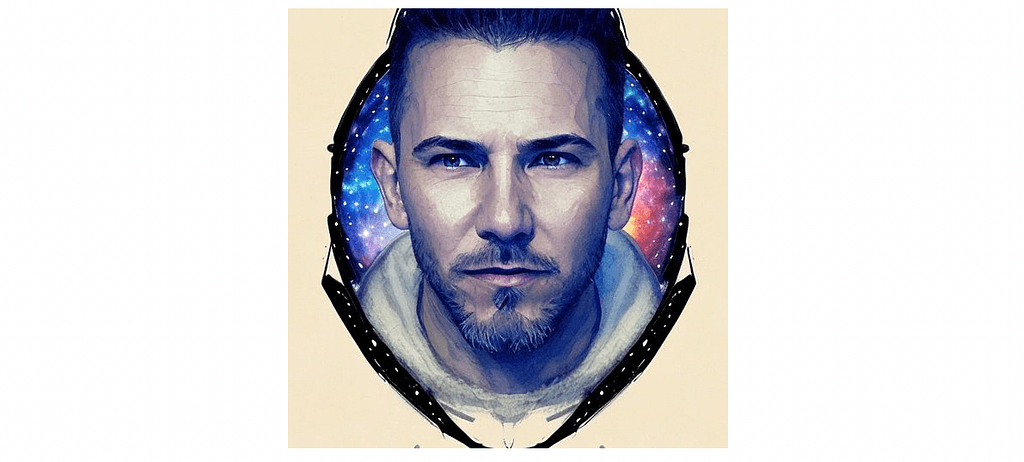
Ana Completing that course helped us enormously. "Now we've built our own original style out of our own background, but we learned so much through those fundamentals and they became a crucial foundation for building our own style." "Our fundamentals are the same. Of course the sequences of patterns, the energy, the connection are different, but sharing those same fundamentals matters."
The Sergio y Ana Style
Q. You have an incredibly unique style. How would you define the Sergio y Ana style? And how did you build it?
Ana First off, our backgrounds are different. "Sergio did ballroom and salsa, and I did classical dance like contemporary and hip hop. We mixed all of it, and that created the variety in our dancing. Finding the right way to blend all those elements was a hard process, though." "Sergio taught me everything he knew, and developed acrobatics he could do with me. I showed Sergio genres outside of Latin dance. We combined all of it to make our own style." So I don't think of myself as just a bachata dancer. I love bachata. I have a passion for bachata and the same goes for salsa. But I think of myself as just a dancer. We've synthesized everything we know across many dances.
Sergio When we go to events like congresses, people tell us: you're not dancers just for bachata or salsa. Your dancing has every element in it. So you're just "dancers."
Q. Your style has changed, but bachata has changed too.
Ana "Bachata keeps evolving. In just the last two years, the technique, the movement, the connection — all of it has developed enormously." There's a lot of technique we used to use that we don't use anymore. Because better technique has been developed. "It's like the advance of technology. It's changing so fast."
Even with the same teacher, if you go to a workshop they'll teach something completely different from what you learned five years ago. Because the way they understand bachata has completely changed. So many instructors are putting in the work, and everything is changing for the better very fast.
Q. Could you give an example of a technique that used to be used but isn't anymore?
Ana Of course. "The lady used to block the man's leg from both sides. It used to be used a lot but nobody uses it now. And you'd bend the wrist backward to block the arm."
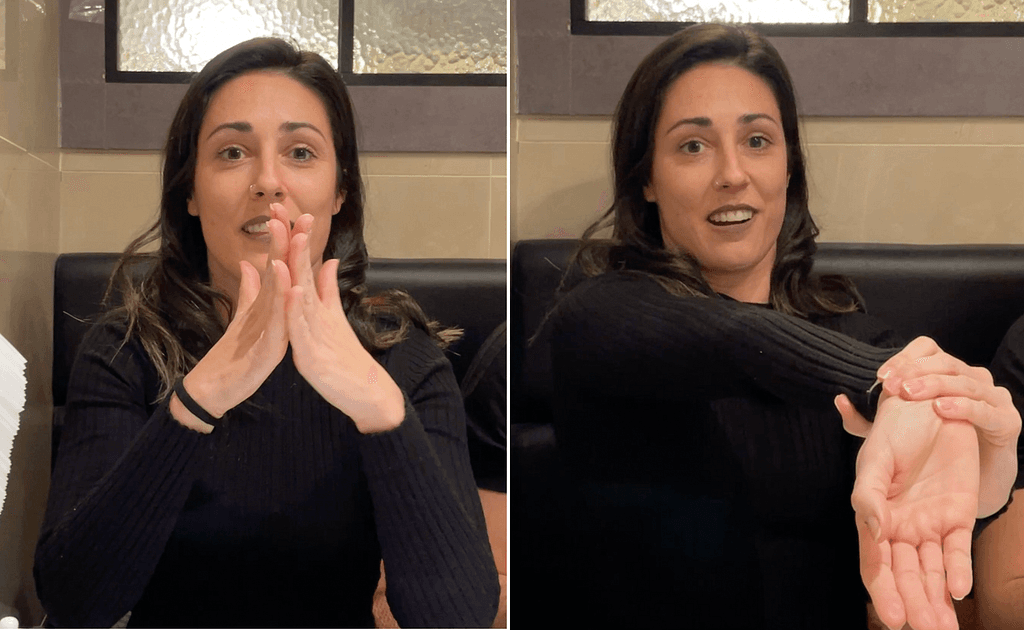
But over time we realized that trapping the woman's body like that isn't a good approach. We came to understand that if you clamp the man's leg or block the woman's arm, you can't do new moves.
That's why it changed. "If you don't change, you can't evolve into something new. You have to break through the ceiling and try new things. So you throw out what you had and try new things." "Blocking a little lighter, changing the tension — those things helped us do new moves. Using the connection to lead a bit differently instead of leading hard and strong, you feel more freedom in the dance, and you move to the next stage." Ten years ago Sergio led that way too. But for the past 6, 7 years he hasn't used that technique. We changed.
About This Korea Performance
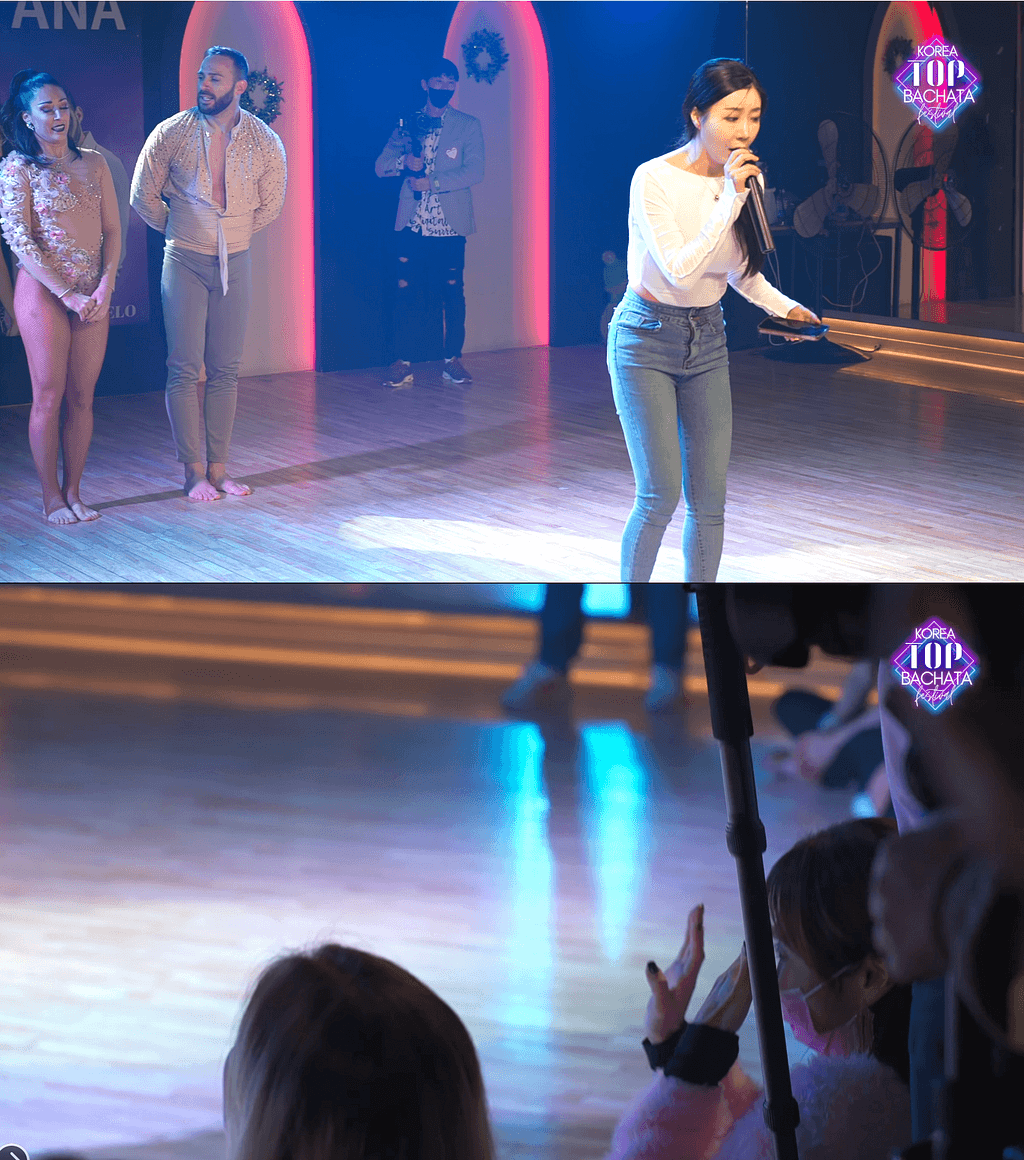
Q. Someone watched your performance and cried from how moved they were. Did you see that?
Ana During the performance I couldn't see anything. But when it ended, people were applauding and crying. I almost cried too. When you're performing you can't think about anything else. But after it's over and you see how people feel and react to it, you get very emotional. You feel like, ah, I expressed what I wanted to say. That's a beautiful thing.
Q. People are saying this performance is in the top 3 of all bachata dancer performances. My friend and teacher Sun-ssaem said this performance changed her dance life.
Ana (eyes welling up) That's truly beautiful. As a dancer, when you hear something like that after a performance, you feel like you did everything you were capable of.
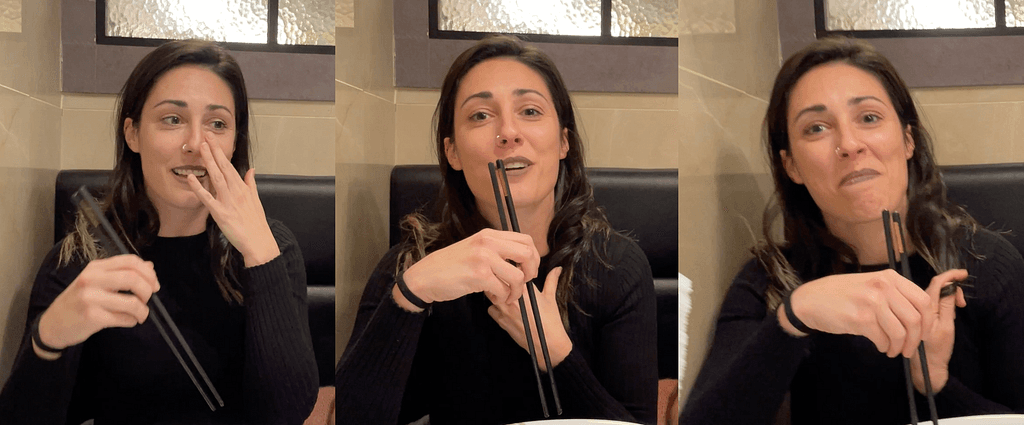
Q. I heard you had a problem with the stage height during the performance. How did you solve it?
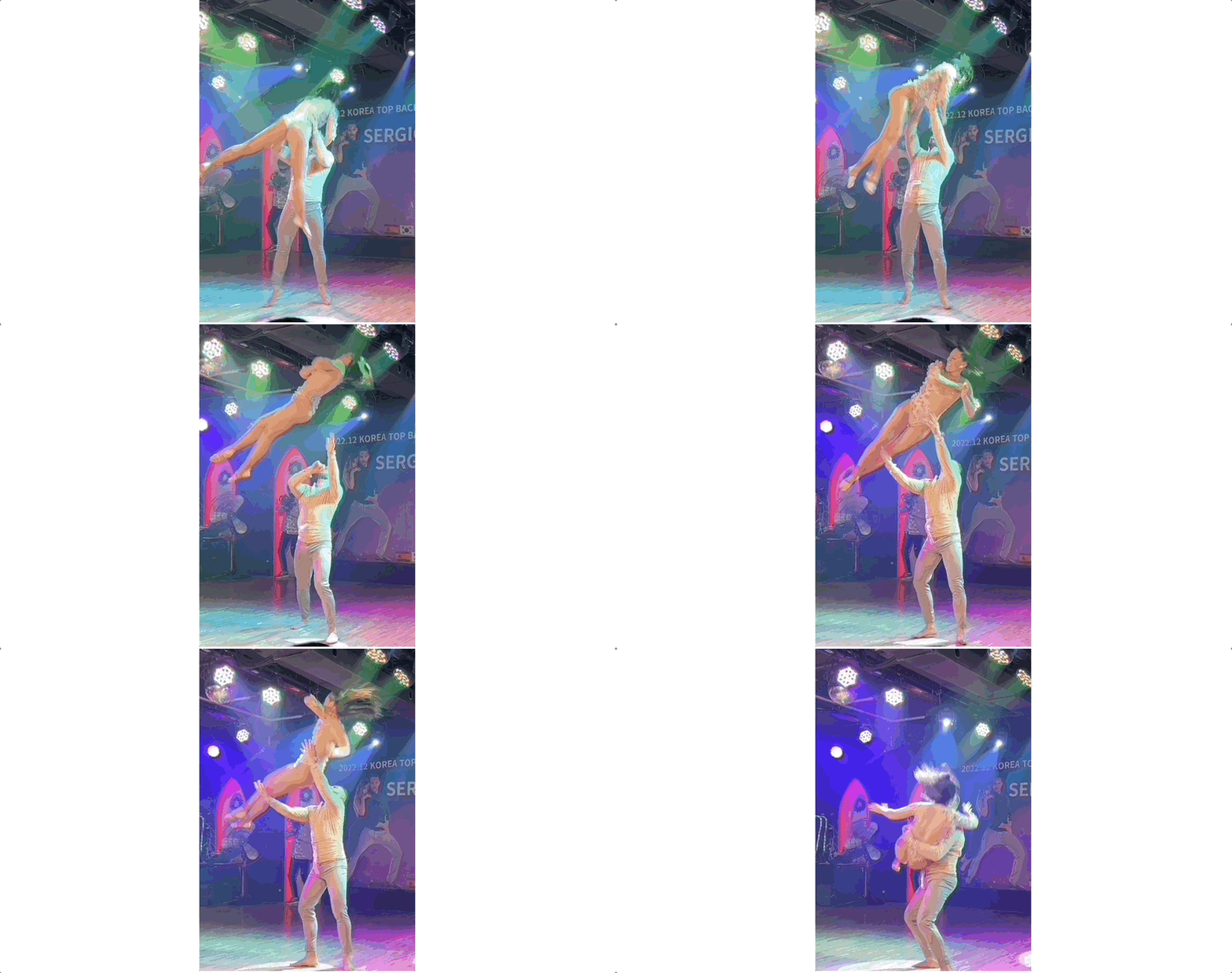
Sergio This technique needs a specific height. I have to do two rotations after I throw Ana and before I catch her again. There wasn't space, so it was hard to do. So I had to change the technique in that moment. Instead of throwing Ana high up, "I controlled the height of the throw (kept it low) and made the rotation extremely strong. It was very hard because I couldn't gauge exactly how much space I needed." (I genuinely think this is insane….)
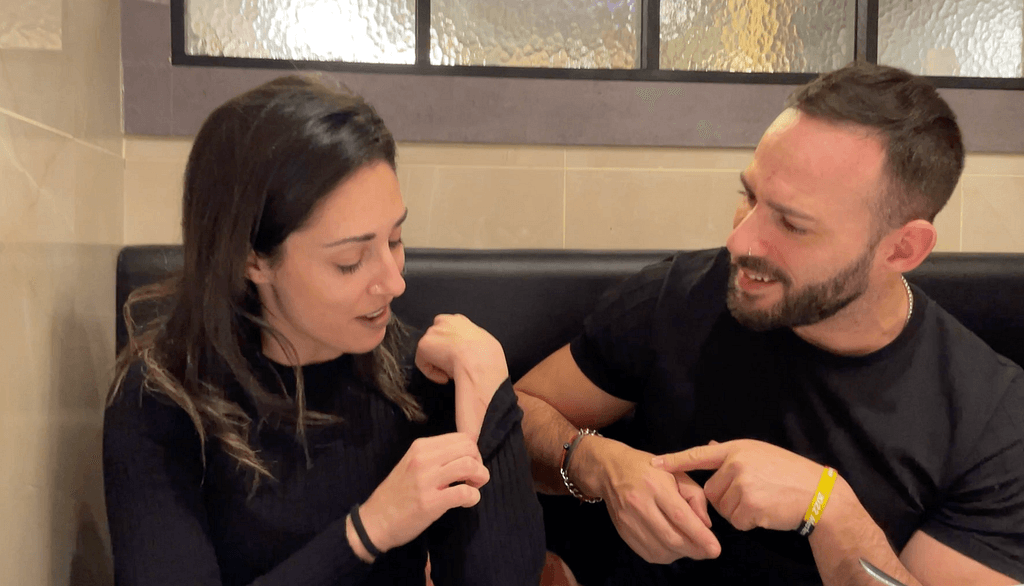
Ana got injured, too.
Ana Yeah. I stretched my arm out during the first day's demo and hurt it~
Sergio We run into situations like this a lot with this choreography, and it's really stressful. Oh my god… I have to change the choreo… When we performed at the Washington Bachata Congress, we had to change the choreo because of the music, not the space. It was a song called <Stripper Pole> by Pitbull and Toby Love. The lyrics were very strong. The organizers said this was a family event and we had to change the song the day before the performance. It was so, so stressful. So we had to swap only the song and perform while keeping the overall structure of the choreography. "We've learned and grown a lot through working, and now we can stay calm in any difficult situation."
Ana You can hit the ceiling doing the choreo, and situations like that are really hard. But when you travel the world performing in all kinds of venues, you always want to show the best you have. People are seeing your choreography for the first time, they need to enjoy it, and you don't want to show them a mistake. "Of course for my own sake I'm thinking don't hit the ceiling!, but at the same time I want to give my best. Situations like that are stressful. But as experience builds up, you come to feel this is common, this happens every day." You can't secure the height and width a performance needs at every venue you perform in. So you adapt. It's hard, of course, but you learn how to cope by adjusting to the situation.
Q. The intro to Friday's social demo was the ending part of <Residuos>. That's personally my favorite performance, and seeing it with my own eyes had long been a dream and a bucket list item.
Ana It's my favorite performance too.
Q. I really wanted to see that performance. So when that part came out as the intro I was so moved, and when I uploaded the video to my YouTube I wrote that my dream came true, that Santa had come and left me a Christmas present. (sudden confession 😊)
Ana That's really nice. We love that🧡
About <Contra La Tormenta V2>
Q. Let's talk about this performance, <Contra La Tormenta V2>. This song was also one of your early performance pieces. Back then it was a bachata performance to a bachata version of the music, right?
Ana The first choreography for this song (Version 1) was for the Bachatea competition. That was 2015, and we placed third. The song was very new at the time. And per competition rules, there had to be a traditional part. When we hit ten years together, we decided to revisit <Contra La Tormenta>. Because it was the choreography that introduced us to the world. "Our identity started to take shape through this performance. This choreo is what created the thing called the Sergio y Ana style. We wanted to commemorate that." Before that, people didn't even know Sergio y Ana existed. But people saw the performance, remembered the costumes, and started going oh, I saw that performance! Even if they didn't know it was Sergio y Ana. That was a very important point in our career. So we decided to do a second version of that choreography. It's not a bachata performance, but it was a very important song for us.
Sergio The COVID period was really hard on every dancer. When we met other dancers we talked about this too, and everyone had a really rough time. Even the condition of your body was different. We had a dance team called Arraigo, and we couldn't keep that team going during COVID. Because people had to move to other cities. It was a hard time. When COVID ended and we had to start a new choreography, we thought back to the first choreo for this song, 'Contra La Tormenta' (Against the Storm). This was also a song we'd kept in our hearts, thinking someday — we didn't know when — we'd have to do it again. To mark coming through a hard time and to celebrate our tenth anniversary, we decided to do a second version of this song.
Q. You said you love this song because it's what introduced you to the world. Do you love it personally too?
Ana Of course. I remember when Sergio first found this song for the competition. We were looking for a competition song, and the problem was that a lot of dancers had already claimed nearly every famous bachata track. So it was really hard to find something original that was ours. "When he first found this song, Sergio was practically crying. Not because he'd found a new song, but because he felt something truly special about it. We have to dance this at the competition. I'm sure. He felt it in his heart." The moment I heard it, I felt a connection to this song.
Contra La Tormenta (Against the Storm) — You are the woman of my ideals / The only one who's with me every night / The only one I've loved from the start / The only one I've given my life to / I'm the one who'll carve out your future / The one who'll quiet your sorrows / The one who'll do everything to protect you / And you're that person to me too / Two people against the storm / This is how we are one
Sergio Marco performed to this song too. After we did our first performance, Marco sent me a message. I love this song. I love the choreo. Blah blah… But it took Marco another four? six years before he performed to it. The people listening to this song weren't ready to accept it as bachata. I think Marco felt like, this song is special but it isn't ours yet. So instead of using it right away, Marco waited a few years. And finally he performed to it.
Q. 'Contra la Tormenta' (Against the Storm) is fundamentally the story of two people. It's about two people loving, suffering, and fighting their way through this world. So what story did you want to tell through this choreography?
Ana "We wanted it to mean that the two of us dancing together and getting through a storm ultimately means getting through everything in the world. If the two of us are together, we can face anything in the world. We can achieve everything we want. We can dance bachata. It's our life and we can do everything we want to do."
Sergio Our start wasn't easy. We switched from salsa to bachata, and bachata fans weren't open to lots of new attempts. They didn't understand that bachata could be mixed with urban or other styles. "Through this song, we felt that the two of us together could enter the world of bachata with our own style. A lot changed after this song." Fusion style is mainstream now, but when we were starting it wasn't a given at all. It's not that we were fighting the audience. But that was the situation the audience was in. It wasn't an easy situation. So we decided to fight it together, the two of us.
Ana "Let's keep going with our own style. It'll be okay. It was a song that made us feel that."
Q. Is <Contra la Tormenta V2> a bachata performance?
Ana Not at all. We took a few elements from the old bachata choreography, but it's not bachata choreography.
Q. You pulled off a range of very difficult acrobatics in the performance. How do you train for that?
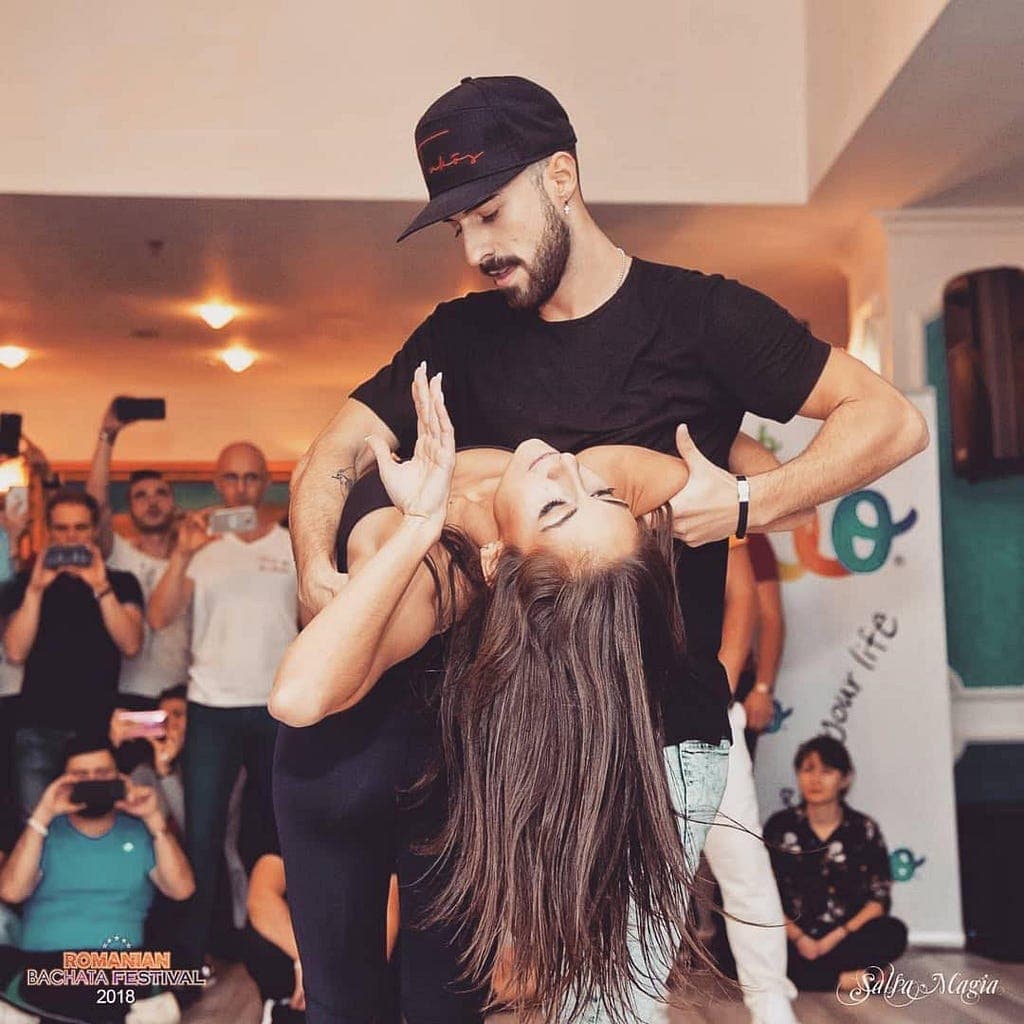
Sergio Acrobatics require genuinely excellent technique. We learn from people with good technique, and we train with gymnastics coaches. Once you've acquired good technique, you can work on your own and try things you want to do. You start with the easy stuff and gradually move to complicated, special things. "For something like the double turn in the air (the highlight of the performance), we trained for a year." There's also a technique called "the pizza." We call it that because I have to hold Ana straight out in the air on my hand like a pizza. That was the hardest trick we've ever attempted. "We had to practice every single day for a full year. It was such a dangerous trick. I had to spin Ana while she was held completely horizontal and straight in the air."
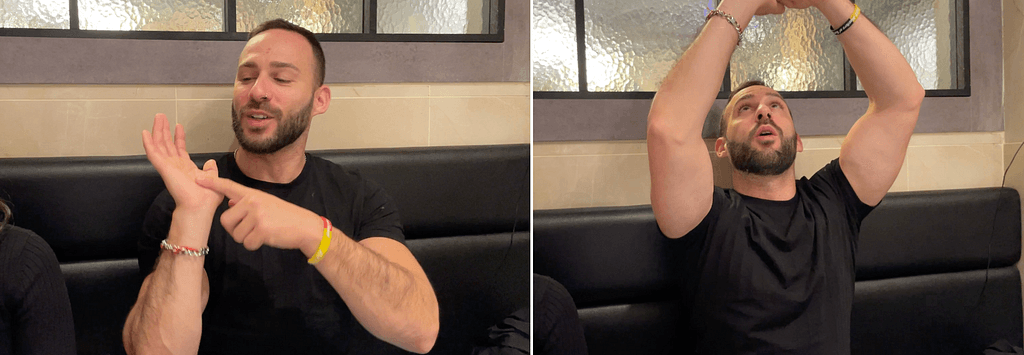
There's also one called "the vela." Ana bends into an arc in the air. It's not that difficult. But as Ana stretches in the air, she can slip outward. You don't know whether she'll fall forward, sideways, or backward. One time Ana did fall, and I caught her incredibly fast — I barely managed to grab the edge of her outfit with my fingers. I stopped Ana from hitting the floor with one finger.
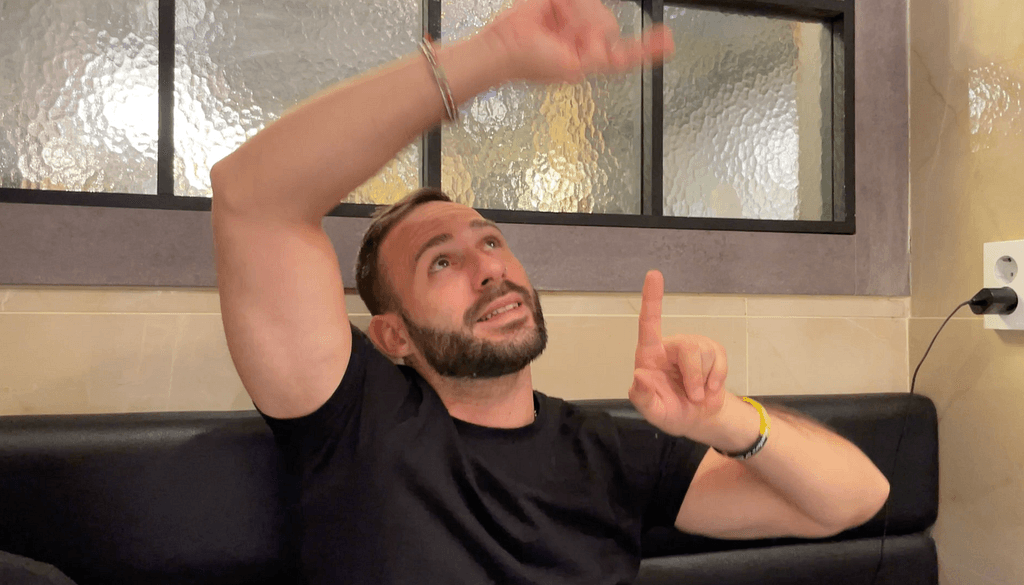
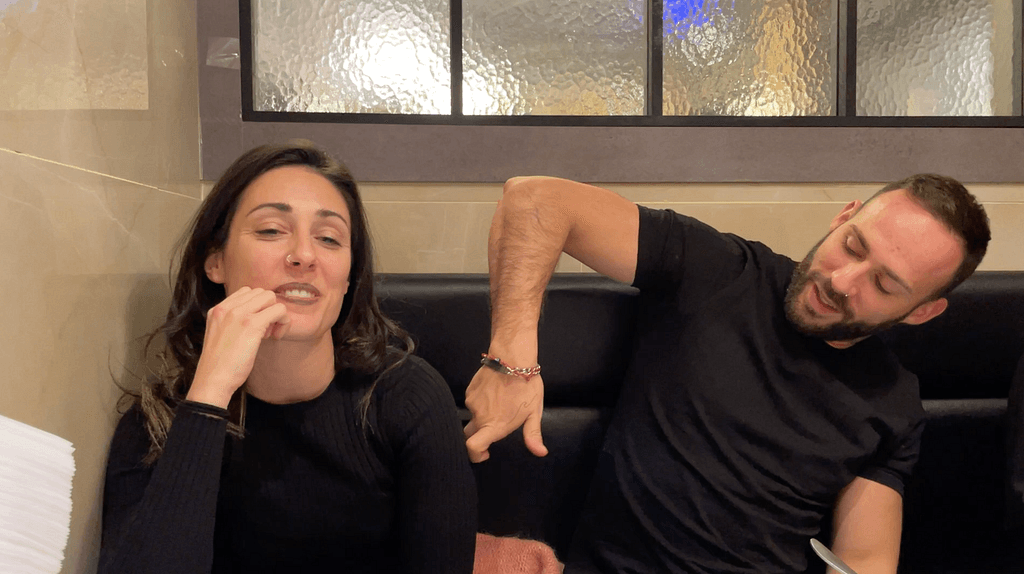
It's dangerous. Acrobatics training is genuinely something you have to approach with real care.
Ana For me, acrobatics training is two things. The technique, and building a body that can execute the technique.
About Workshops and Bachata Training
Q. You emphasized the quality of movement over and over in the workshop. What is quality here, and how can you train it?
Ana Executing precisely. For example, say you draw a circle with a movement — at first it might come out a bit of a weird shape. But as you raise the quality, you use every point of your body, all the way to the end, and you end up drawing a perfect circle. For us, quality isn't some fixed point you can arrive at in one leap. It's a process of continuous growth. It's the same for professional dancers. It's a process of refining and perfecting over time. The quality of movement is also connected to connection and holding. Quality makes you a better dancer.
Q. The workshop content was based on body movement rather than the usual pattern sequences, and I think it was a bit hard for people whose bodies aren't ready for that stage yet. Any advice for them?
Ana You can improve movement quality through partner work, but you can also develop it dancing alone. That's exactly why we recommend men's styling and lady's styling classes. You can learn movement quality from any dance genre — bachata, contemporary, hip hop, zouk, salsa. "Every dance is ultimately about teaching and training your body. That effort raises your quality." I recommend trying solo training on your own first. It doesn't matter what genre. I recommend training your body through these various dance genres. Then you move on to partner work.
Sergio I think we live in a world where we all want to learn everything too fast. Learn it right away, get out on the social floor right away. "My advice is to challenge yourself with slightly harder material." You learn hard things and let your body adapt. You take the time to understand the various things in that (hard) class, and slowly get your body doing hard things. It was the same when I was learning salsa 15 years ago. There was a teacher who taught extremely difficult, special things, and in the end the people who learned there grew. Now people want to learn too fast. "You need a process of slowing down, taking some time, and understanding the various things you've learned."
Q. You socialed with Korean bachateros for the past three days. How was it?
Sergio Everyone was great. Some people were nervous, though. I tried to smile. I make lots of mistakes at socials too. Socials are for enjoying yourself; you don't have to do everything perfectly. "Smiling, having fun, making all kinds of mistakes, and recovering from those mistakes — that's what a social is." "Next time I hope you relax a bit more and enjoy it. :)"
Things We Were Curious About
Q. Let me ask some personal questions fans might be wondering about. How old are you?
Sergio (fast) 37.
Ana 35. Two years younger than Sergio.
Q. You two aren't an actual couple, right?
Ana No. Sergio's dating someone else, and I have a boyfriend in Spain.
Q. Favorite bachata dancers? Both the couples you like and the people who are great to dance with.
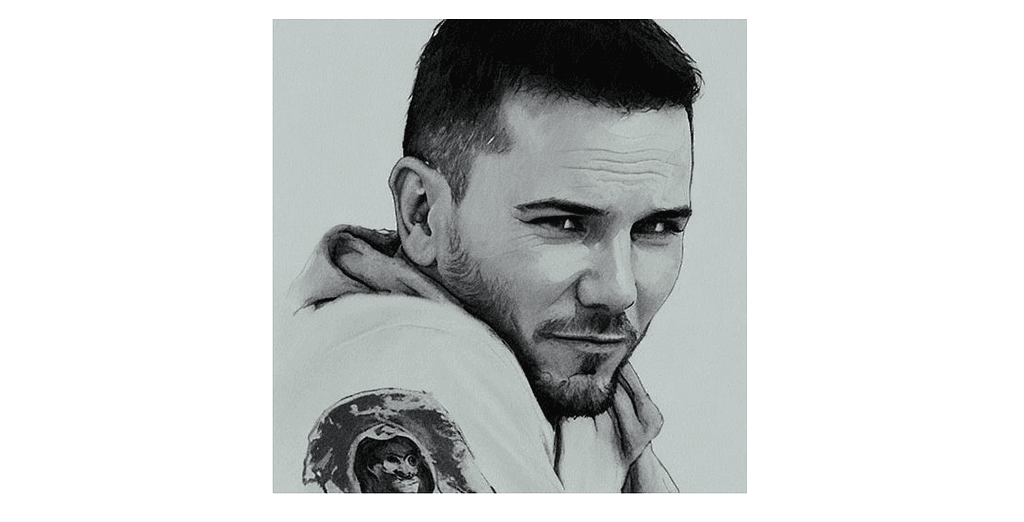
Ana Very hard question. I really love Korke y Judith's technique. Analyzing their sequences is fascinating. They think very deeply about the technique inside a sequence. It's really excellent. I love Marco y Sara's powerful styling. And I love Pablo y Raquel's sequences and connection. As for people who are great to dance with… there are so many. "But if I have to pick one person, it's Jhero. He's a truly excellent social dancer."
Sergio "(Jhero is) the best social dancer."
Ana When I danced with Jhero, I felt he takes an incredibly strong connection with the follower. That's a very important part of socials.
Sergio This is really hard. I can't pin down one couple. For example, "I truly love the way Korke thinks about bachata. It's completely insane. When I take Korke's classes and hear the technique he's teaching, I think I'm going to lose my mind. I want to ask him: how on earth do you even begin to think like this?" Korke y Judith are the best to me.
Marco y Sara's dancing is unbelievably cool. The way Pablo y Raquel dance, the way they connect with each other, is truly astonishing. Luis y Andrea's dancing is so beautiful. Luis is the best male dancer to me. Every couple has something special like this. So picking one is impossible.
Q. Which dancer was the best to dance with?
For the first 4, 5 years after I started bachata, I didn't dance with dancers. I was way too nervous. (everyone — see, see, that was us too!!) But one day I changed my mind. I started dancing with dancers and it was so good. It was like a fantasy world opening up. "Dancing with Judith was truly amazing. Judith and I feel a special connection like the one Ana feels with Jhero." Raquel is a completely different style but I love dancing with Raquel too. "Because we understand other ways of dancing." "Sara is amazing too. Dancing with Sara is so easy. I just touch lightly and Sara creates all these intense, beautiful things. So when the dance ends, she makes you feel like, whoa, I'm shook~ (laughs)"
Q. Favorite bachata song?
Sergio I love Romeo Santos' 'Imitadora.' It's my favorite song. I love dancing to it at socials too.
Q. What do you think of Romeo Santos' latest album, Formula Vol 3?
I love several songs on that album. My favorite is 'Sexo Con Ropa.' I love 'Boomerang' too.
I didn't love 'Sin Fin' at first. But this is something that often happens to me with Romeo Santos. The first time you hear it you go hmm? I dunno. And then you keep listening and you end up loving it. That's how 'Sin Fin' went. When 'Imitadora' first came out, people were like I hate that song, hate it, because of that unusual intro. But two months later, everyone loved it. Of course I loved it from the first listen.
Q. Finally, anything you'd like to say to Korean fans?
Ana Visiting Korea is a very special experience for me. The energy we got from people was intense too. I want to come back and share more of what we have with people in Korea. It felt really good. I feel our relationship is very beautiful. It was an amazing experience, so I want to come back and experience it again.
Sergio I've wanted to come to Korea for ages. A lot of my friends have visited and every one of those dancers said it was so good. About the Korean bachata community. I'm so happy to have finally come. And I'm looking forward to coming back. "Yes. Let's meet again! And let's get closer next time!!"

Alright, enough sitting at a desk writing articles — time to go use my body (= go play) ^^ Sure, we can't do acrobatics, but when it comes to having fun we're every bit the pros Sergio y Ana are. 🥳🥳🥳 Besides, it's Christmas now!🎄🎄🎄