 My Honey Jar
 Waiting on 2022 BCHTA Rising 2
sP Polanco's BCHTA Rising, and the next bachata sound we're all waiting for.
January. Everybody slows the tempo down for a moment, planning and prepping for the year ahead. The bachata music scene is no different.
Every now and then a track comes flying out of nowhere, but mostly this is the season when you're less curious about brand-new releases and more curious about what all the labels and artists are cooking up — and where bachata is headed this year.
And around this time, the first question that pops into my head is this one:
"Will BCHTA Rising 2 drop this year?"
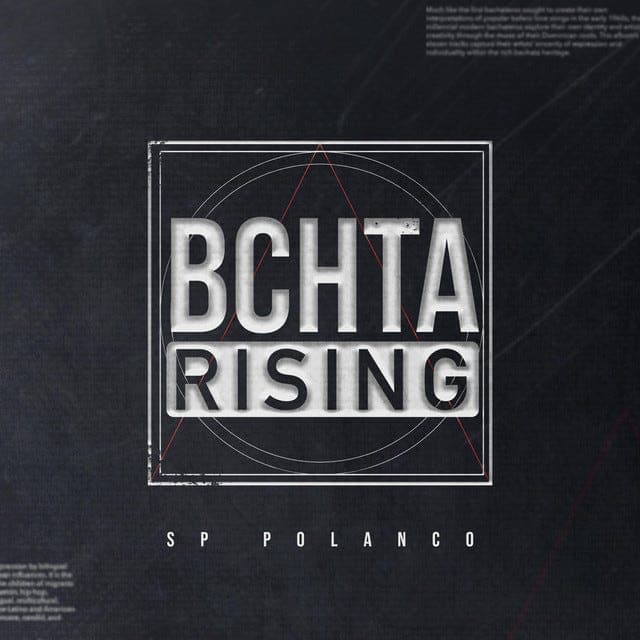
Released in 2018, sP Polanco's BCHTA Rising holds the single most singular position in 21st-century bachata music. (That's my claim and I'm sticking to it.)
As a bachata album:
· even with the greatest bachata vocalists of the era all showing up on it,
· it was released under the name of a producer/songwriter rather than a singer, (sP Polanco)
· every track is an original bachata song, written and composed for bachata and nothing else,
· and every track was a hit, and every track is a classic.
Look at the lineup of artists on it. Calling it "every artist driving bachata music today, all at once" wouldn't be an exaggeration.
- Carlos Rosé, Pinto Picasso, Mickey Den & Joell (24 Horas), Kewin Cosmos, Ralphy Dreams, Daniel Santacruz, Bachata Heightz, Xtassy, Alejandra Feliz, Leysa + Willy
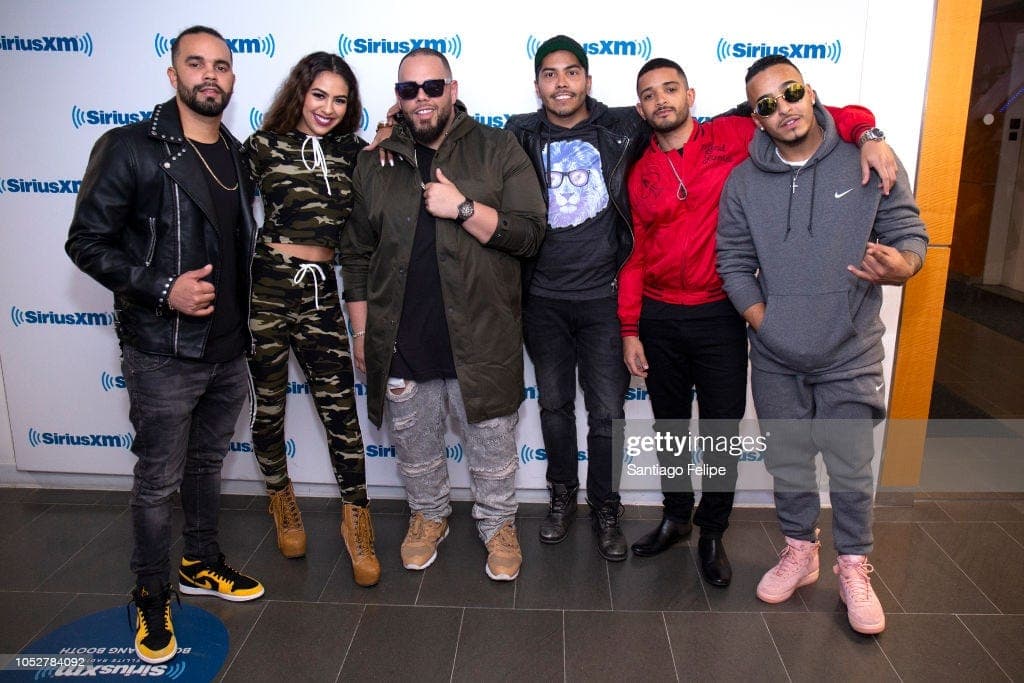
Every single track on the album is a signature song, a hit, and it spawned countless demos and social videos.
Here are the ones that stuck with me most as videos.
But four years after the album dropped, why are we still waiting on BCHTA Rising 2?
Pedro 'sP' Polanco
sP was born in the Dominican Republic and immigrated to the Bronx, New York at age seven. The textbook Dominican-New York bachata origin story.
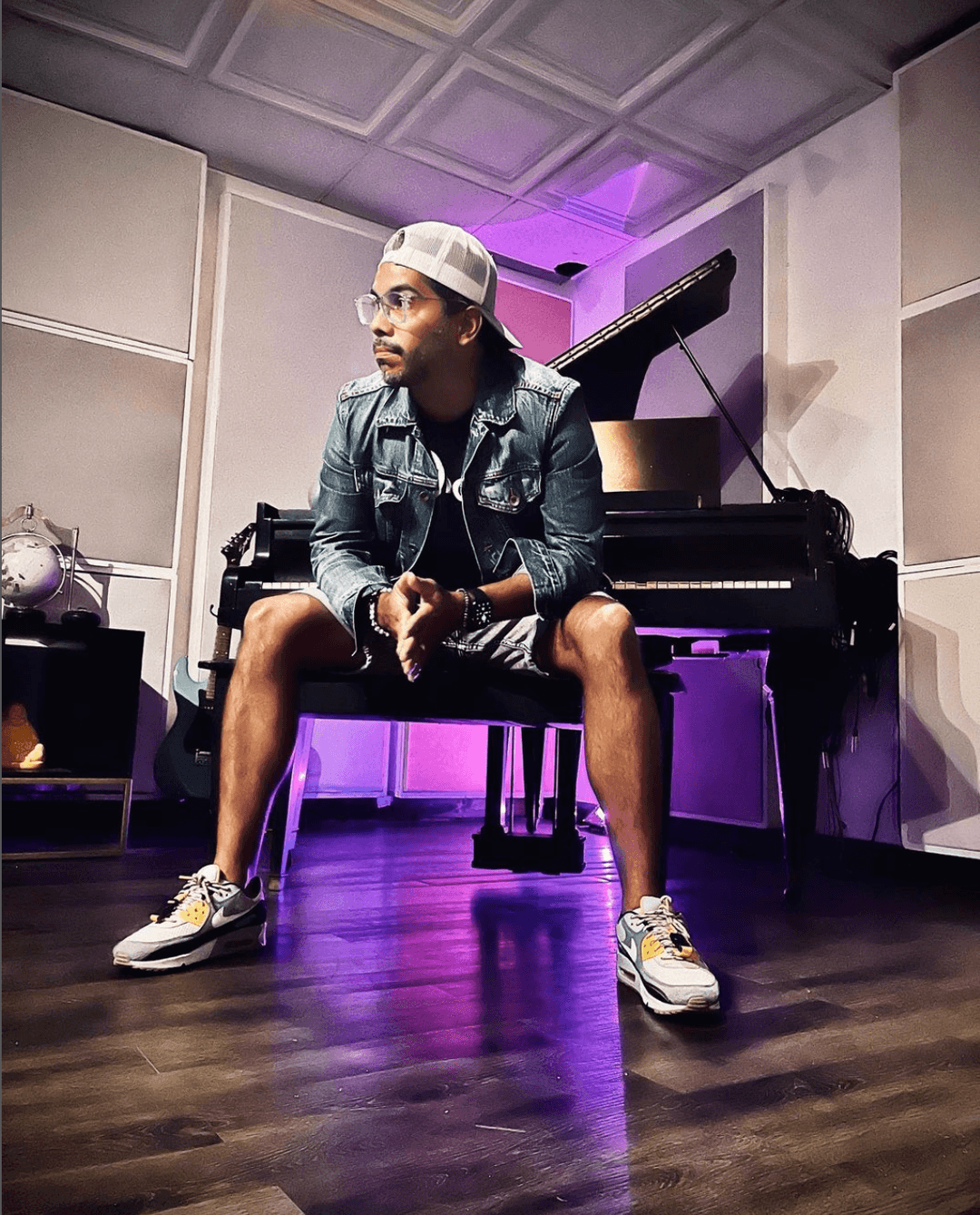
He lived in the States and became American, but the family spoke Spanish at home, and inside the house there was always bachata playing — put on by a mother who missed home through the grind of immigrant life. Luis Vargas, Antony Santos, Raulín Rodríguez would have been family idols to them.
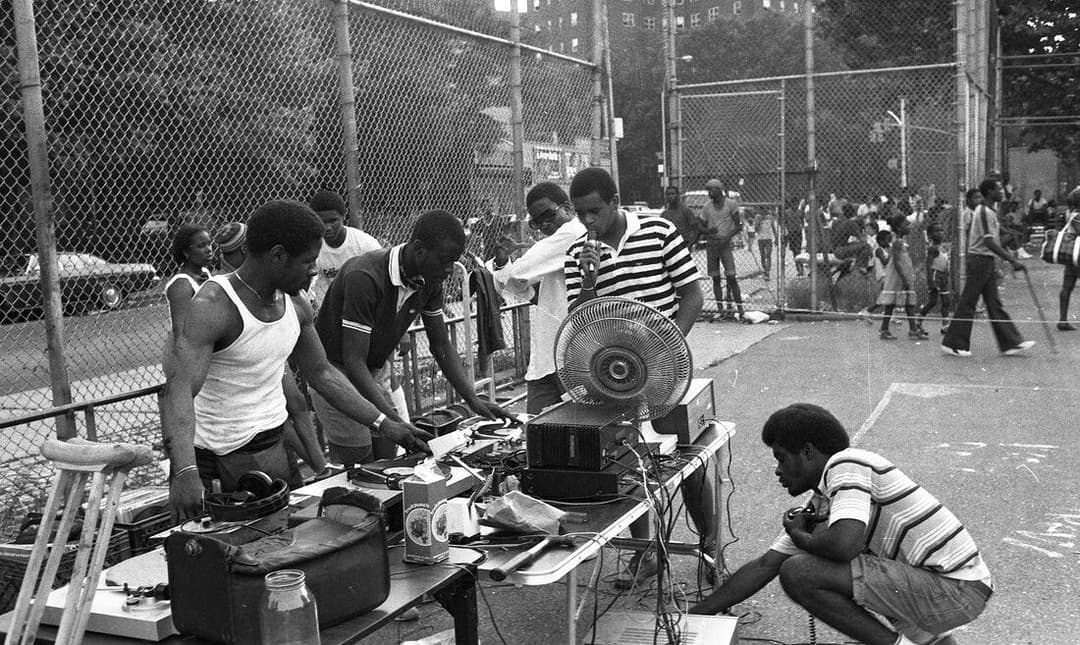
That music got mixed in with the pop, R&B, hip hop and jazz coming from school, the streets, friends' radios. New York, the neighborhood where everything converges, would have offered contact points not just with white American culture but with other Caribbean and Latin American countries, Black culture, Asia, Europe — culture from everywhere. And naturally you start humming a new melody with all of it fused together…
This wasn't just music — it was language, culture and history fusing across the board, a whole process of making a new world, a new language, a new identity.
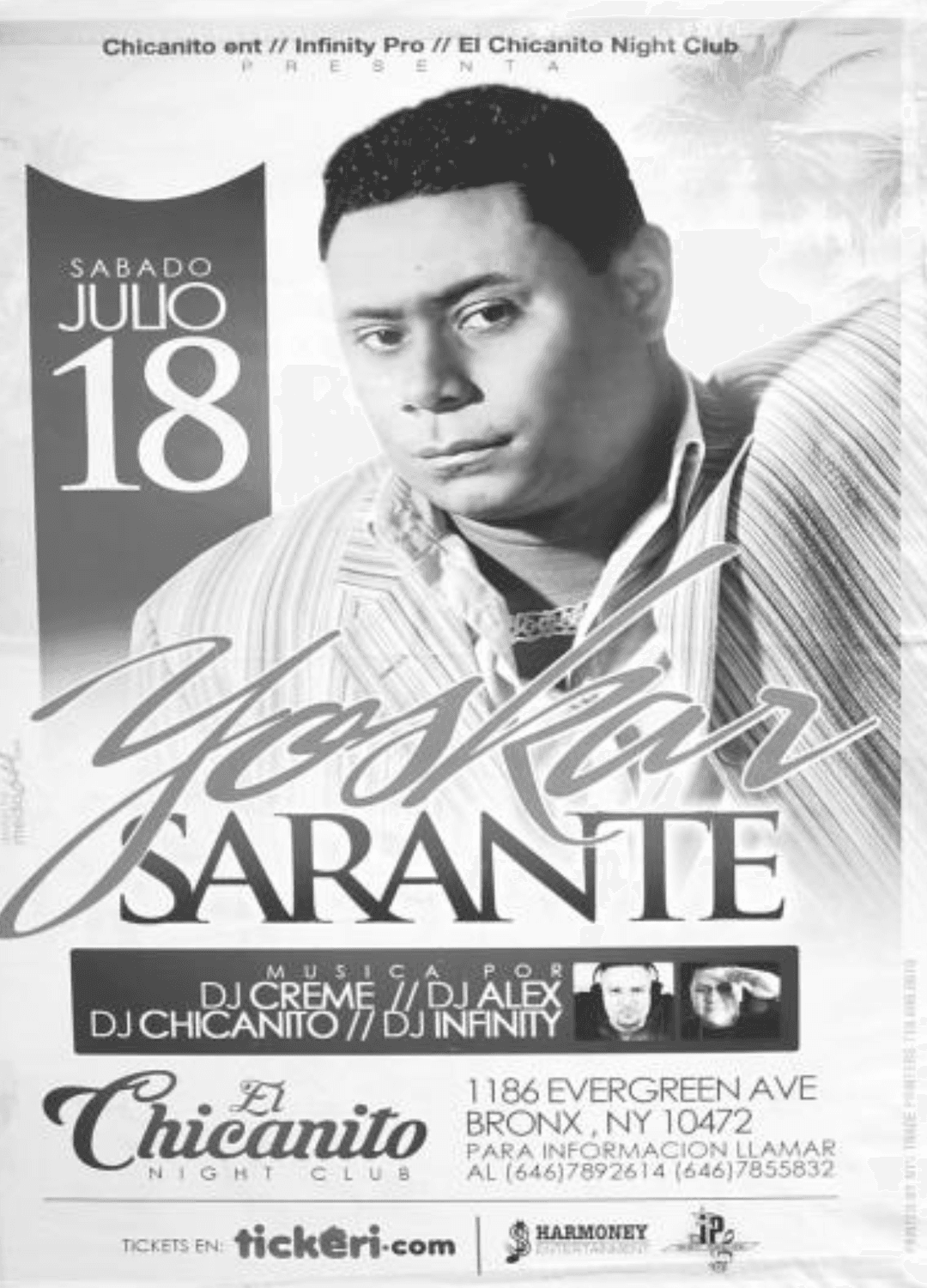
A new bachata, a.k.a. Bachata Urbana. The Bronx's NY-style Bachata, with its modernized sound, started exactly like that.
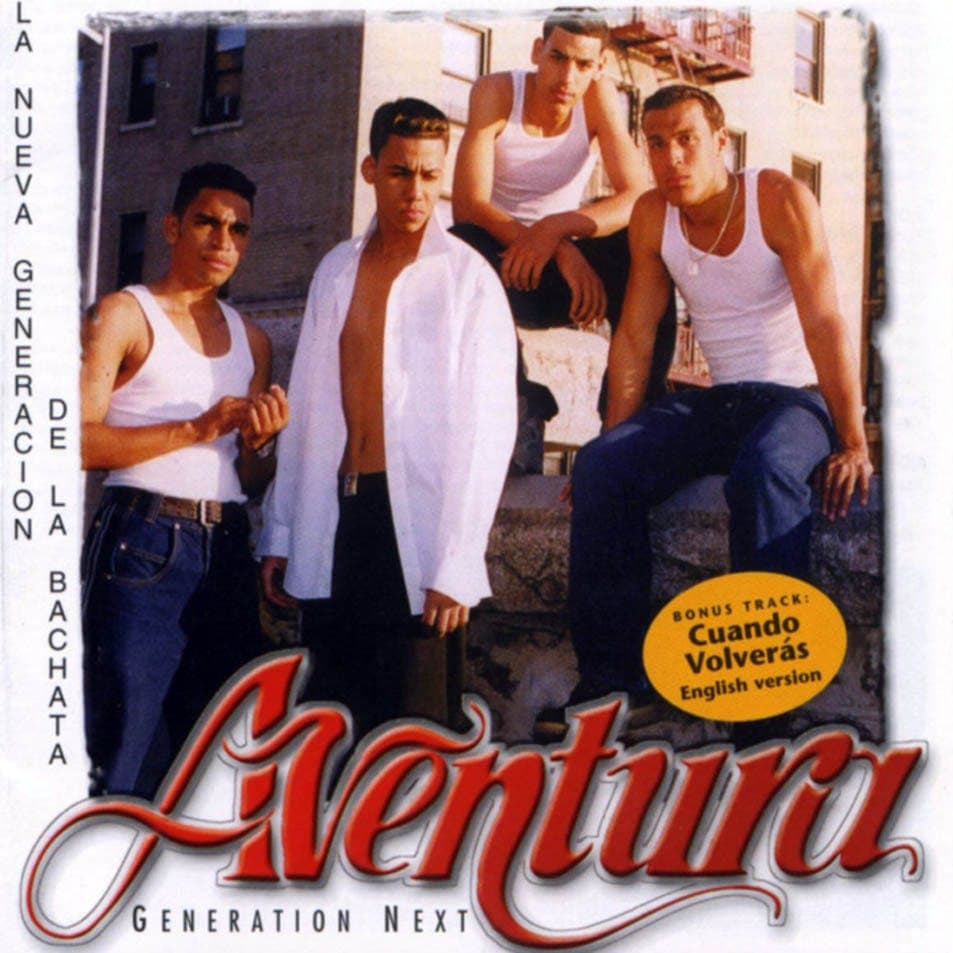
Aventura opened that door, but honestly, that music wasn't so much something Aventura newly created as a natural output that looked exactly like the people living there, that way. So many of the modern bachata tracks we've heard have their roots in precisely this environment.
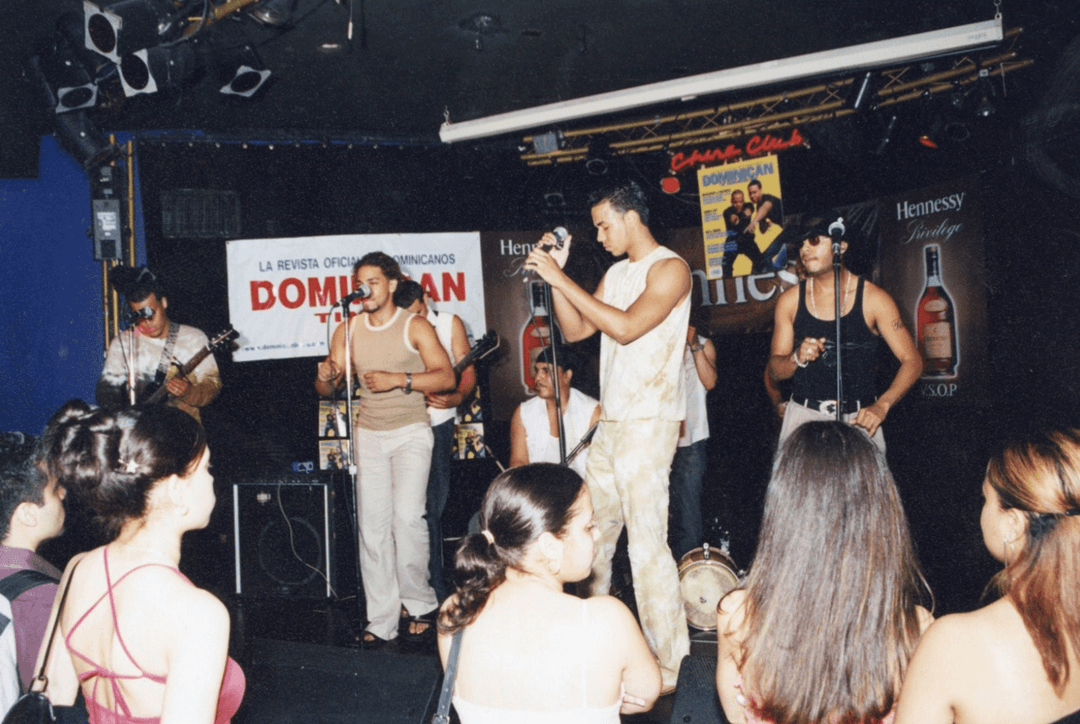
And the songwriter/producer who played the huge role in refining that world and building a wider, deeper one is exactly sP Polanco.
A high school kid who fell so hard for the music of Sergio George, the Puerto Rican Latin music master, that he just straight up called his office. Lucky enough to share a high school with the man, he got his foot in the door of the music industry as an intern running his errands.
And that gutsy high schooler went on to birth countless bachata classics for Xtreme, Prince Royce, Carlos Rosé, Toby Love, Xtassy, Leslie Grace and more.
· Bachata music sP Polanco worked on as producer, lyricist/composer, and more
Bchta Rising
When multiple worlds collide, some people cling to tradition and some get absorbed into the new world. Or everyone finds a comfortable spot somewhere in between. But some people don't sit in between at all — they recognize the collision of those worlds, accept it, and build a completely new one.
Absorbing and mixing all kinds of musical and cultural influences to make a completely new bachata sound for today. As a result of that work he's produced a stack of platinum albums, been nominated for four Latin Grammys, and won an ASCAP award. Above all, he's kept original bachata from going stale and getting shoved off to the margins — he's helped it stay alive as music of right now.
The peak of that challenge is exactly Bchta Rising. Bchta Rising is the result of years of work. Song by song, he took on the writing, composing, producing and playing, talking closely with the artist who'd sing each track, stitching each one together by hand. Guitar was handled by legendary bachata bass Mayinbito.
Bchta Rising is a musical movement of American millennials who speak both Spanish and English and have deep roots in Caribbean culture. This album is an anthem for the young immigrant — or the children of those immigrants — who grew up hearing a sound that spans pop and rock, reggaetón, hip hop, R&B and bachata. It's a multilingual, multicultural, multi-genre interpretation of what it means to be Latino and American at the same time in the 21st century.Above all, it's honest, it's real, and it's direct.
sP has said he wanted this album to be not just a music album but a platform where bachata artists could express their own musical identity. Through the process of making the songs he communicated closely with the singers on each track, and because of that, results where each artist truthfully expressed themselves came out naturally.
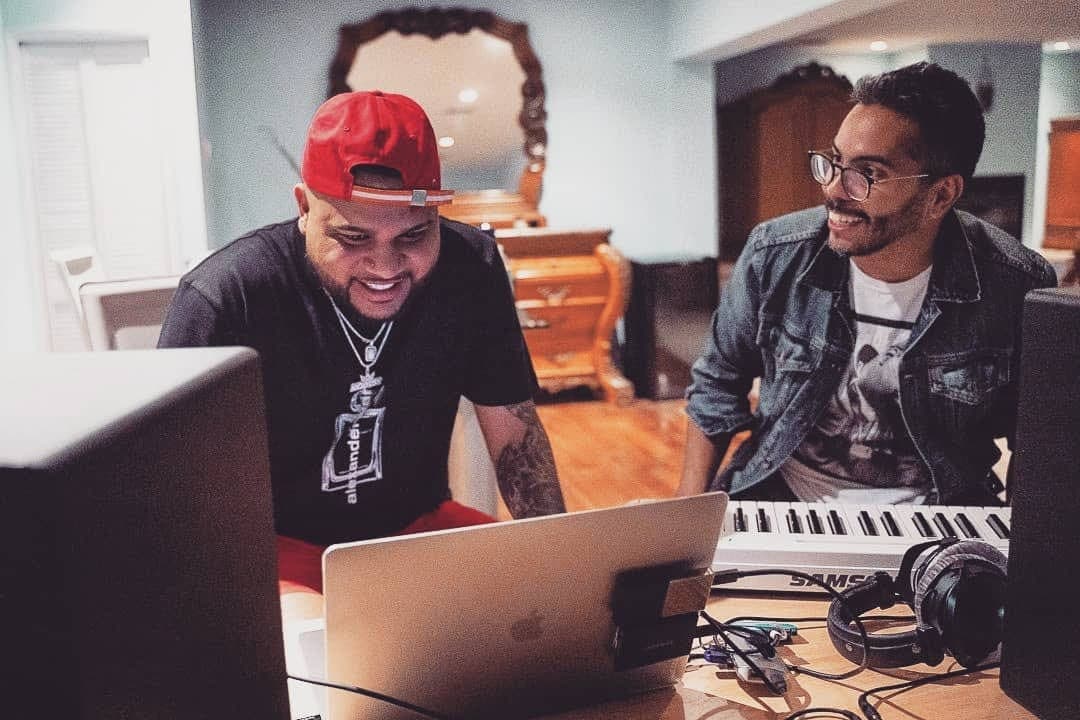
A new sound that went past the fixed ideas and demands about how bachata is supposed to be. Innovation happened through this, the densest possible process.
The songs on this album aren't music you can whip up by grabbing an existing track remix-style and layering vocals on it, or slapping a bachata bass on top. The first song was recorded in December 2016. It took close to three years for all 10 tracks to be finished and released as a full album in 2019. That's how originals are born.
The musical inspirations for this album are very diverse. I'm a huge fan of indie music and the new wave happening in LA and London. And you'll hear those influences in the sounds I chose and the way I approach chord progressions.Of course the influence of traditional bachata is undeniable. On the writing side, it was very important to me while making this album that every artist involved felt authentic when they wrote or performed. We'd go into the studio and have real conversations about the music we'd been listening to, what moved us, what made us feel something. I encouraged them to express themselves like nobody was listening.
Because of that, Bchta Rising beat time. Pick any track and play it at the bar right now and it hasn't aged a bit. You still hear it plenty in socials and demos.
Honestly, the same goes for the other music sP has worked on. It's soaked in bachata soul while holding every musical trend of its moment. Bachata that doesn't sound dated even now, years later. He's been making tracks that are trendy and yet outlast the trend and keep surviving.
2022 - Bchta Rising 2
Remixes dominating hard, mainstream artists barging into bachata (?!) — in this rapidly shifting situation, what music is sP actually envisioning and putting out? What should the bachata sound become in a time like this?
Something tells me the answer is inside sP's music. I'm curious about the next sound from the guy who declared a new bachata with Bchta Rising.
I want to hear an innovative sound that has Dominican roots and bachata soul while fitting this era perfectly. That's what would fill in that 2% of wistfulness sitting off to the side while I cheer on bachata music, which is having a total moment right now.
At this moment when the dream of "Bachata is taking over" is turning real, I'm hoping somebody fills in the remaining half of that half-creation and declares bachata.
It's exactly with this feeling that, in 2022, I'm waiting on Bchta Rising 2.
sP's most recent release is I do. He went looking for a wedding song to use at his own wedding, couldn't find one that fit, and just went and made it himself. Pinto Picasso — the singer behind Paris, which we all love, and his close friend — lent his voice.
A wedding song that's one of one in the world, heard for the first time in the world. The ultimate artist flex: not taking something someone else made and using it, but the privilege enjoyed by beings who create something original.
In 2022, I'm waiting for him to come to us with that ability. I hope he changes and declares the bachata sound anew one more time, together with his muses. Not parasitic music but an independent existence. I'm waiting for him to show up with the kind of bachata that even the general public and the mainstream would romanticize.
Bachata that breaks genre boundaries and beats the future time coming our way.
Not just sP but all the new music that so many artists we love must be making.
To everyone who's had a hard time — may that music come like a gift in 2022 🙏🙏🙏