 My Honey Jar
 Pablo y Raquel — the Little Giants of Smooth Bachata, at Their Peak
Why Pablo y Raquel? Why these two, exactly.
Why Pablo y Raquel? Why these two, exactly
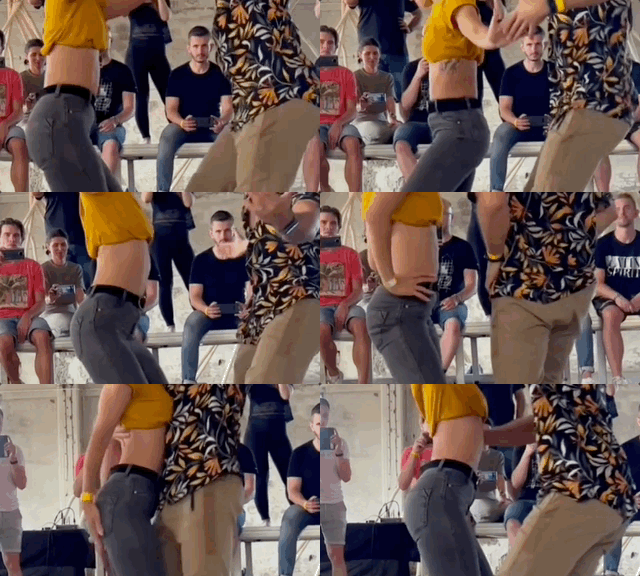
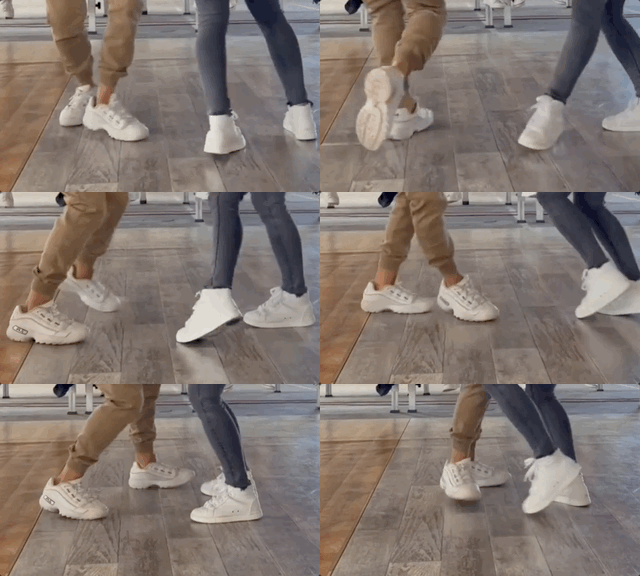
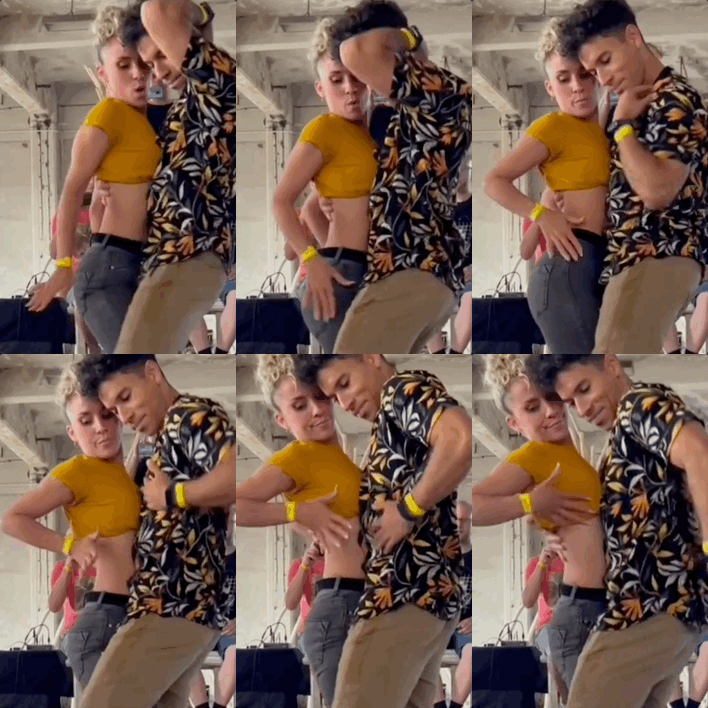
Watch their legs when they dance.
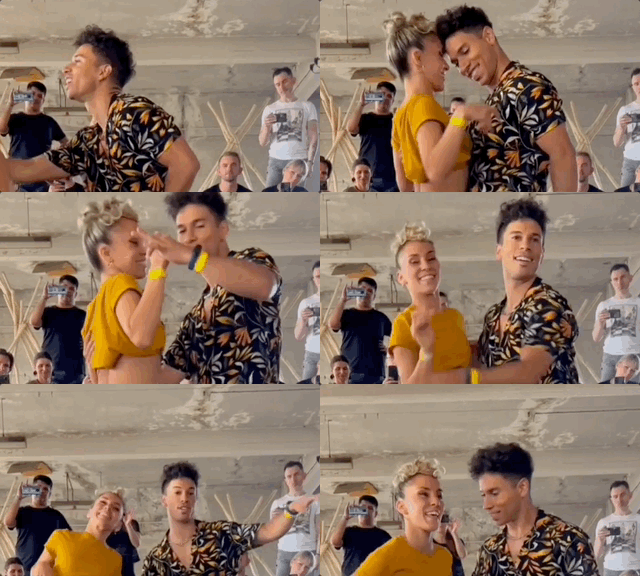
Every single count, pressed down… split and split again, and as if that weren't enough, split once more into heel-toe…
Watch their bodies when they dance.
A rock-solid core and movement that never stops…
And then watch their faces.
The lit-up expression of people who are alive and loving this dance.
Pull out any single piece and it's still overflowing with expression…
Every part of the body is dancing.
Break it down like this, and you nod all over again.
Why Pablo y Raquel.
(Completely biased) memories of Pablo y Raquel
The first thing I noticed when I first saw Pablo y Raquel was how small they are. Foreign dancers shorter than the average Korean aren't exactly common. Pablo y Raquel are two of them.
Look a little closer and the next thing you notice is the visuals.
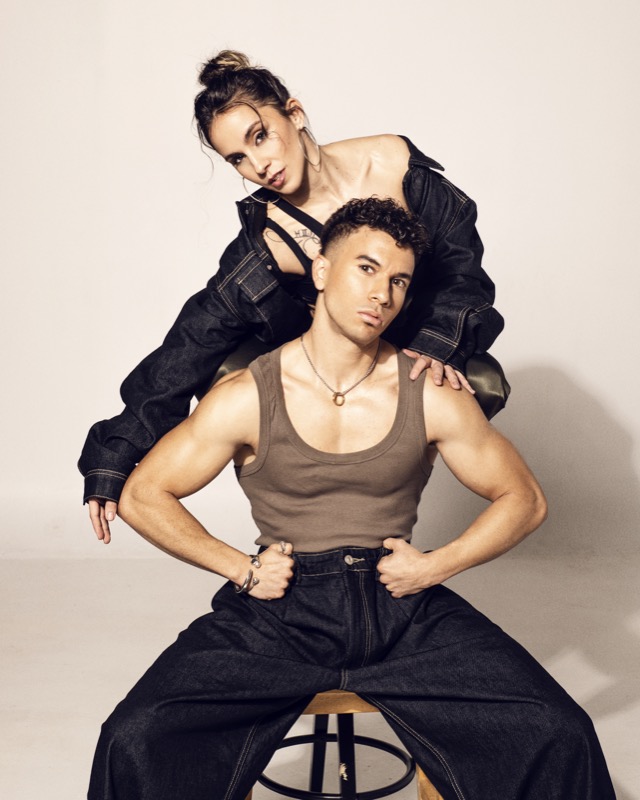
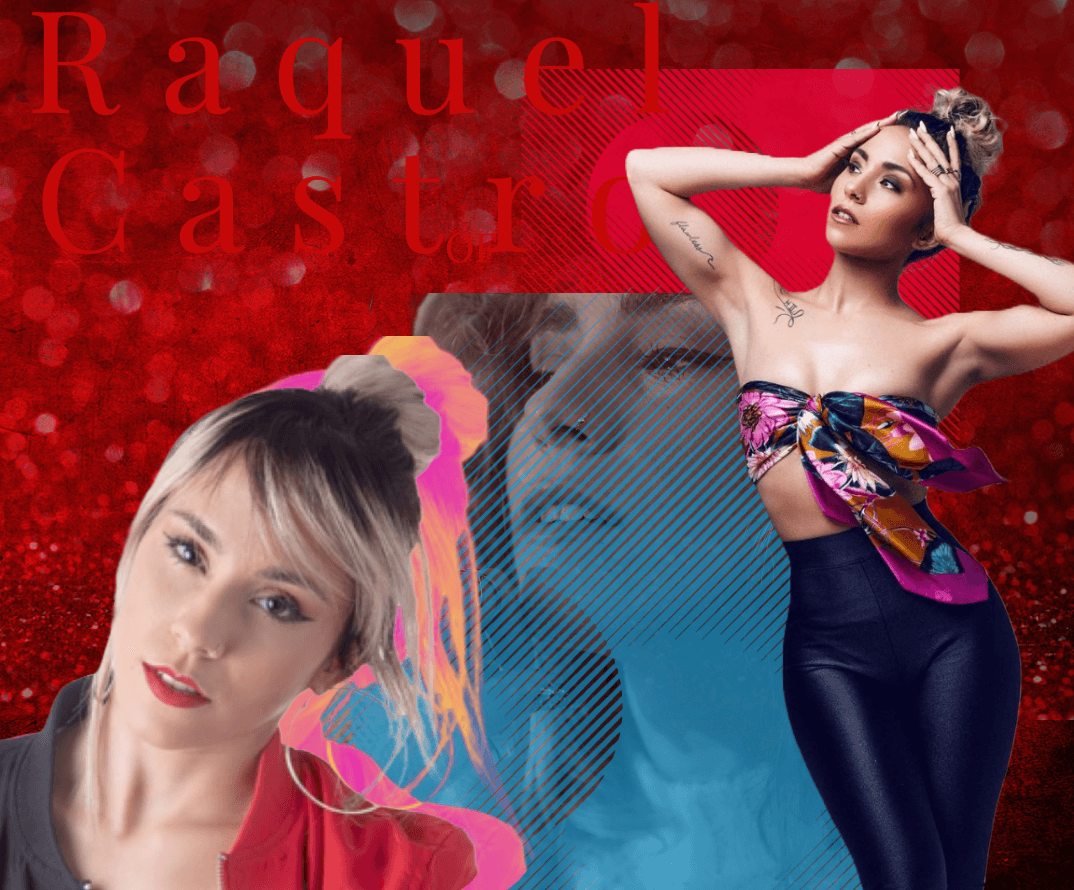
Raquel's body balance and that sharp face. Cut with fine, precise lines, Raquel's face has the look of a classic Hollywood beauty.
Pablo has a beautiful face too. He's smiling so much of the time that he just reads as endlessly easy and approachable, but look a bit closer and his serious face carries the classicism of a Greek statue.
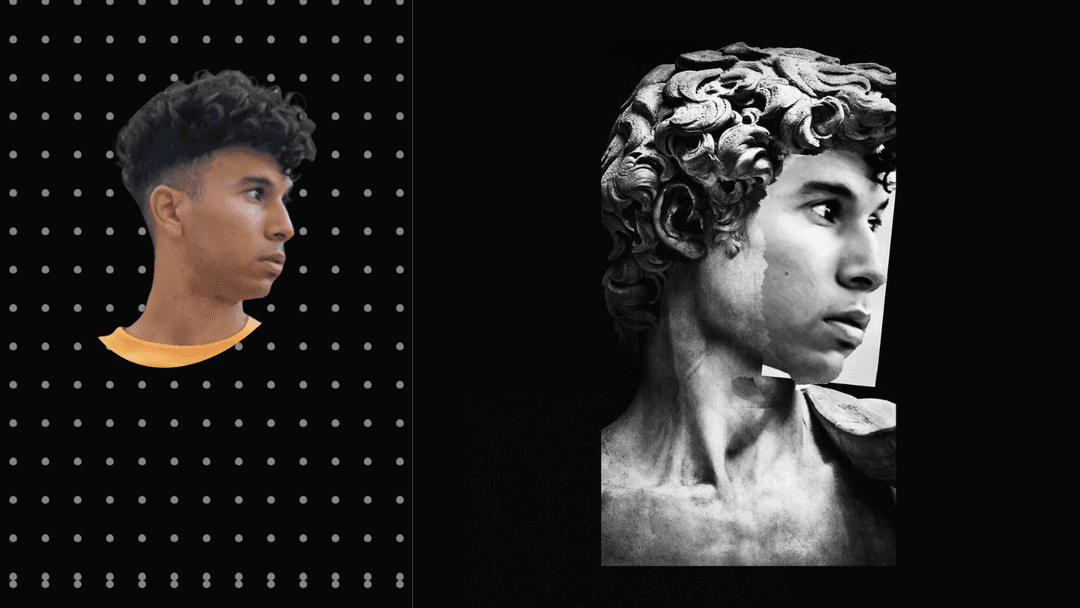
And Pablo knows how to smile a smile that genuinely puts you in a good mood. Every time I see it I catch myself smiling back…
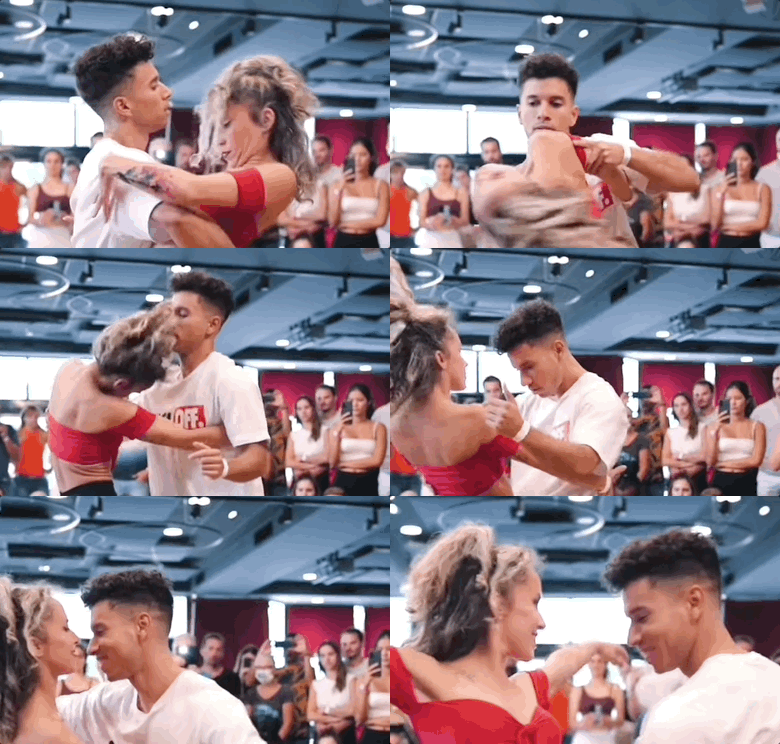
But once the music starts, none of this is visible anymore. All that's left is their dance — the movement and musicality pouring out of every part of them.
Movement so dense it's like nano-level splits compressed into high resolution, and painstaking moves pushed all the way through the whole body to completion. It's as if they refuse to let a single count slide by, determined to express every last sound they hear.
Pablo especially — from Colombia, the country of the world's most fearsome footwork, with a solid Dominican base underneath — fills in that missing 2% of sensual style perfectly with his footwork and rhythm. We're talking 1st place at the Footwork World Championship (2014). That kind of authority.
Pablo's footwork — 2013 vs 2022
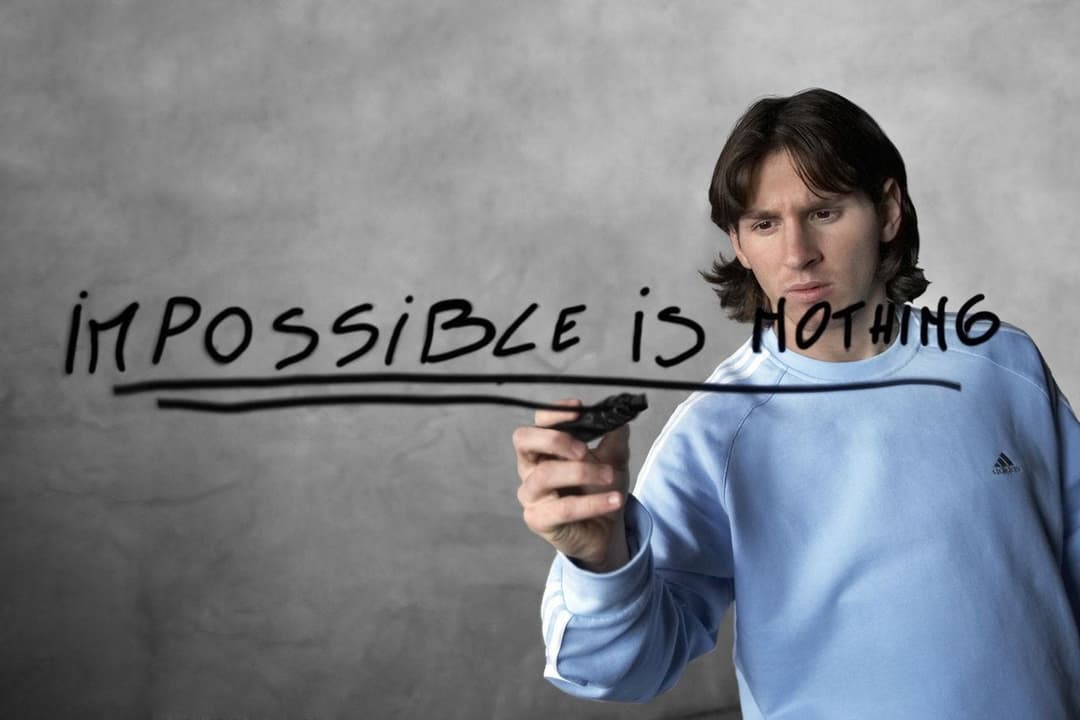
Loaded with Dominican bachata and Colombian footwork from Latin America, then crossing to Europe to study sensual style under Korke — Pablo reminds me of the South American footballers who moved to the European leagues and rose to the top of the world. And among them, of Lionel Messi in particular, who became a legend of football history at the same small stature as Pablo.
The complete bachata package: South American natural rhythm and dazzling individual skill, plus European refined technique and organized partnerwork.
But when I actually met Pablo and got a dance with him, what stayed with me was one thing only: the joy of dancing.
Precise moves, crystal-clear preparation, a flow so smooth you can't feel where one pattern ends and the next begins…
But best of all was that positive vibe, radiating the sheer fun of dancing together. Even when something went wrong, even when we got crossed up, all of it just turned back into dance — real dancing moments. Not "I got a dance with an international dancer~" but much closer to "I danced today~ I had a blast~".
Raquel stays with me as the female dancer who expresses the music the best, and the most. Less like she's styling to look good, more like every part of her body responds instinctively to each individual instrument sound. Her dance was packed with rich follower expression in every gap between patterns — fully committed to the connection inside a couple dance while keeping her own independent world alive.
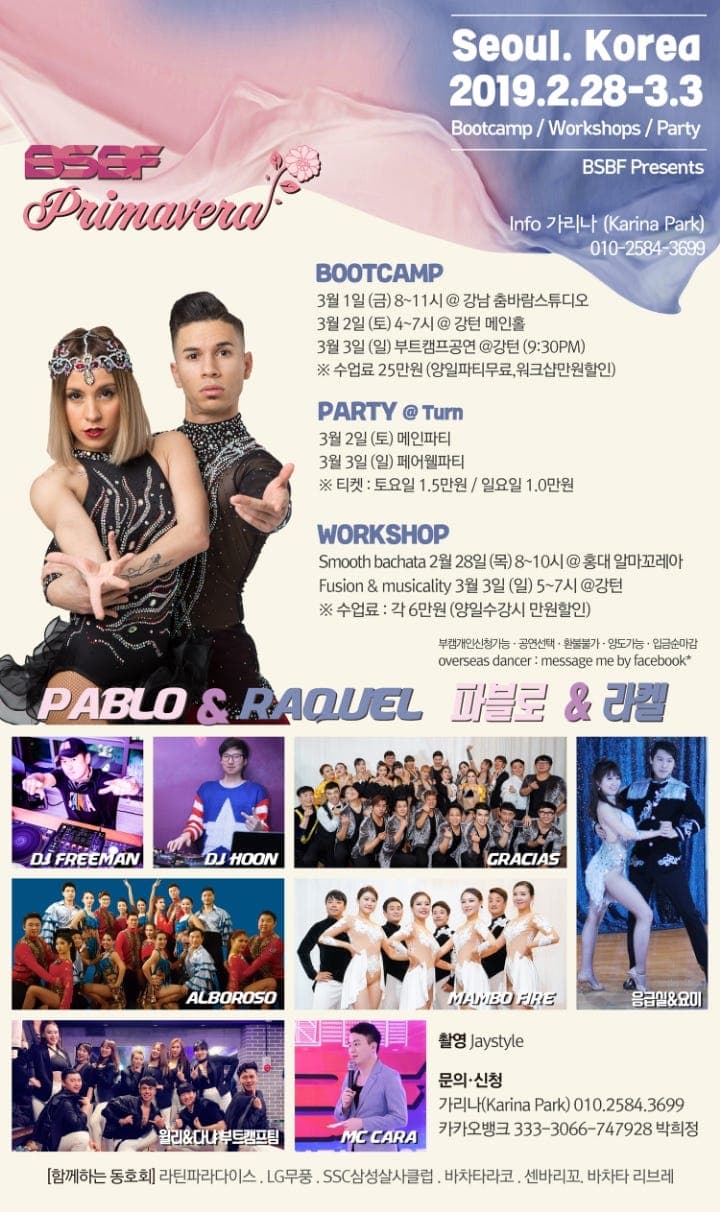
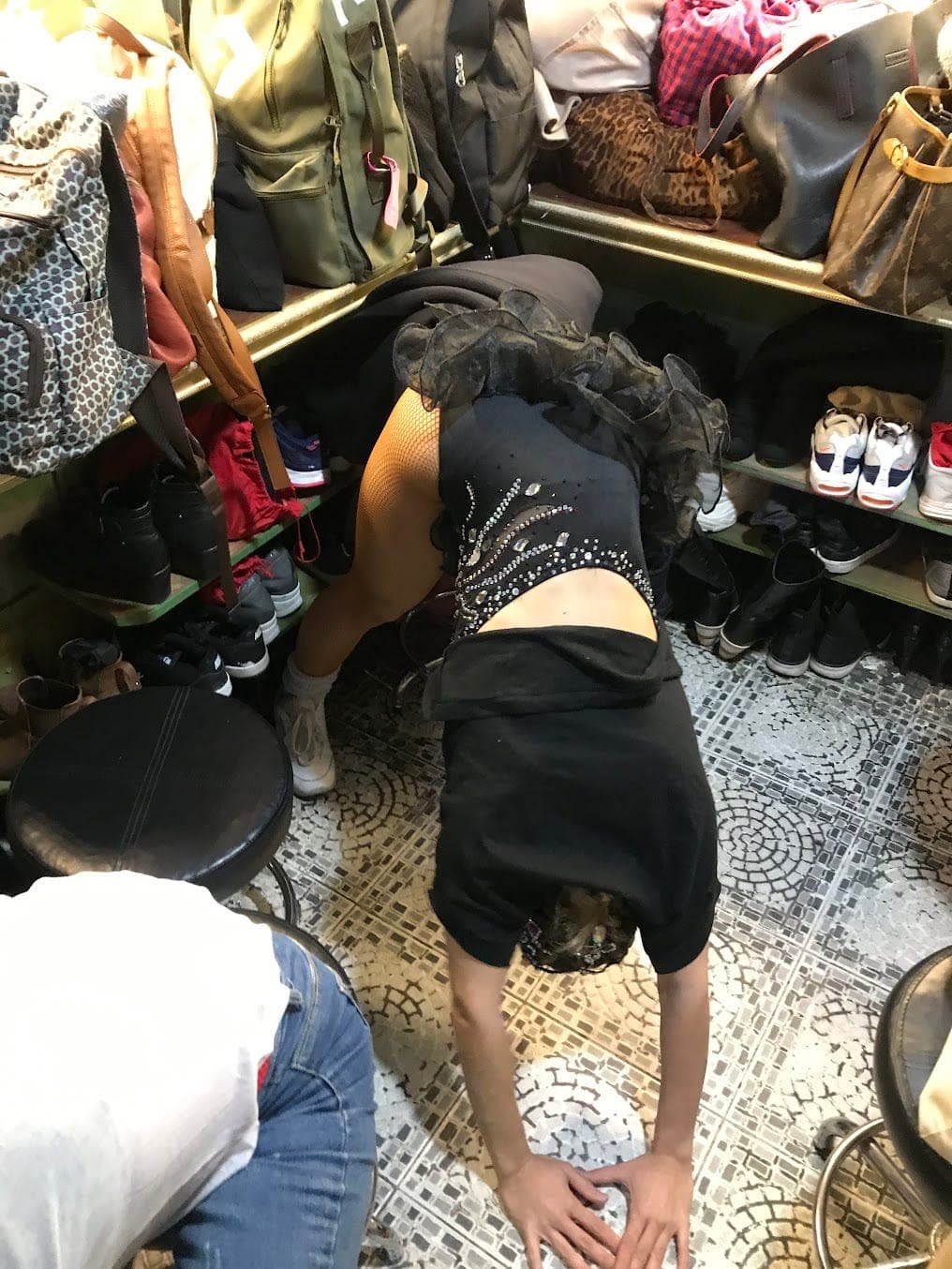
At the 2019 BSBF Primavera event, I once watched Raquel — about to go on for her show — warming up for ages in a corner of that cramped powder room at Turn Bar, a tiny corner packed with people.
Raquel stretching before her show — Turn Bar, Seoul, 2019.03.02. For a short three-minute performance, on and on, in a cramped corner swarming with people — a moment that reminded me all over again what the basics of dance really are.
Sure, what dancer doesn't invest in their body… but watching her tune her physical state that seriously, in conditions that rough, for a performance of barely two and a half minutes, made me look back once more at what the foundation of dance actually is.
Four years later…
Their dancing on video has grown astonishingly.
These days there's nothing to say but "insane"… performance at its absolute peak.
What will they be like in person?
Pablo y Raquel at this exact moment, fully ripe and at their highest… honestly, nice timing~! (shout-out to Nari-ssaem 👍👍👍👍👍)
Though of course, their peak will keep getting rewritten from here on.
Pablo y Raquel interview — their philosophy on bachata
We asked them briefly about the dance philosophy they pursue, centered on their concept of <Smooth Bachata>.
ps. Pablo answered the interview so precisely, so professionally, and so kindly. He set a time in advance, kept it, and delivered thorough answers. Thanks, Pablo/Raquel😘

1. What is Smooth Bachata? How does it differ from existing sensual bachata, and what style are you aiming for?
Smooth Bachata started from the need to embody the methodology we've been developing for years, along with our understanding and interpretation of the music. Ever since we started working together as a couple, traditional bachata has been the core of the dance style we pursue.
And keeping those roots while evolving into sensual style has been our highest priority.
The leading/following technique of Smooth Bachata was built on the foundation of sensual bachata following the fundamentals of Korke y Judith. In the years since, we've created various tools relating to body lead — leading with the body — softer leads, and the frame involved in higher-quality movement for leaders.
In particular, we think it's important that the leader moves the follower by leading with the entire body, not just by pressing on a specific part of the follower to make a pattern happen.
Smooth Bachata wants to reach people through connection for social dancing, basics with a variety of cadences, and a range of methods for softer leads and better-quality movement.
2. What do you think is the most important element in dancing "good bachata"? Any advice for the bachateros of Korea?
The most important thing I want to emphasize is that you have to learn the correct technique that connects leader and follower. We always say that dance is like a language — something all of us can learn and speak.
In Asian countries, where it's hard to learn that technique easily, you should focus more on acquiring the key information about those fundamental techniques than on copying (visible) patterns.
Once you learn how to execute a move correctly, applying the same technique to similar patterns becomes so much easier.
3. Is sensual bachata still evolving? What new trends are appearing these days?
What's called sensual bachata these days differs in many ways from Korke y Judith's sensual bachata. Korke y Judith share the original methodology they created with the whole world, and many dancers — us included — follow that same philosophy.
The core of that philosophy is that sensual bachata should be something people can learn and actually use in social dancing. Nowadays a lot of people produce content daily to post on social media, and many of the moves we see are choreographed for a routine.
It's great to watch as entertainment, but from the position of teaching how sensual bachata should be danced, that trend seems quite far from what we're after.
4. Which of your videos is your favorite? And your favorite song?
All of our demos are improvised. So each one is different — we express what we felt from the music in that moment.
Our favorite demo is always the one that moves people emotionally in some way. Because that means the emotion we felt went beyond just us.
The demo linked below, from Geneva, was set to a song most of the audience could understand in their own language.
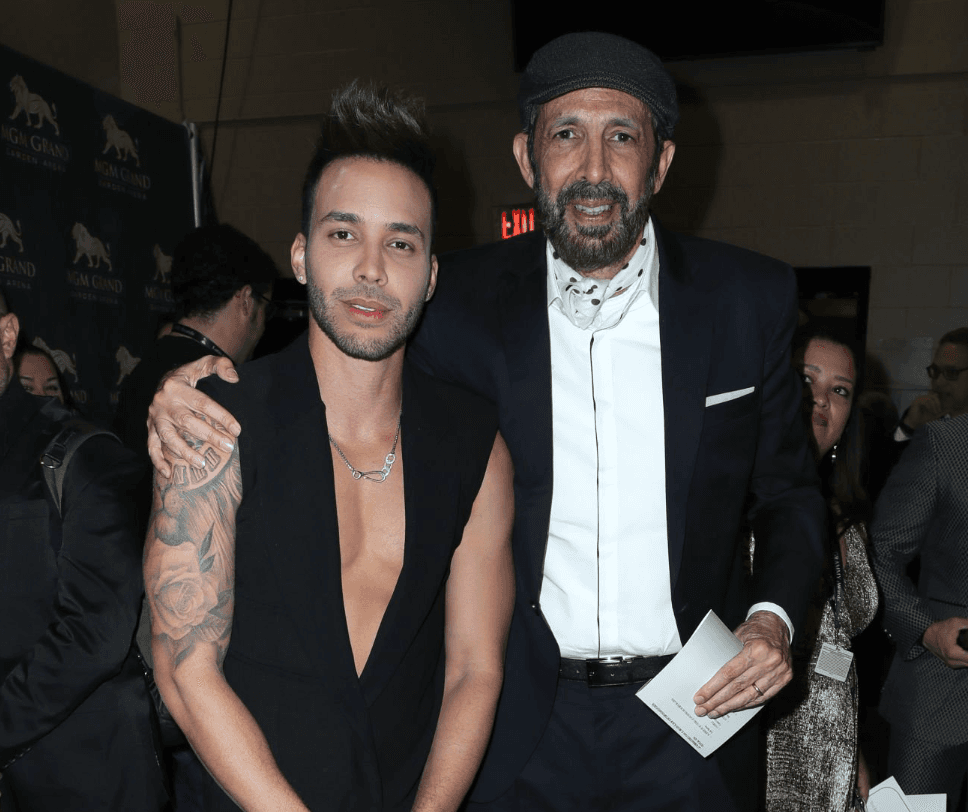
And the artists who inspire us the most are Prince Royce and Juan Luis Guerra.
5. Do you remember your past Korea tour? How do you remember Korea?
We always say Korea is one of our favorite countries. Bachata in Korea has developed enormously since our first visit. This will be our third time. We can't wait to meet everyone and share our dance, eat delicious Korean food, and learn a little more about Korean culture.
Pablo y Raquel's profiles
https://www.yosoysalsero.com/generals/684
Pablo Pérez
· From Argelia, Colombia
· Started dancing salsa/bachata at a young age, with Colombian folk dance and Dominican bachata as his base
· Moved to Cádiz in 2010 and joined Korke y Judith as a student
· Took 1st place at Bachatart Spain Edition in 2012 with a previous partner
· Trained with Eddie Torres, Juan Matos, Adolfo and others
· In May 2014 he took 1st place in the group division of the "Footwork World Championship" (FWC) held in Badajoz, Spain
Raquel Castro
· From Salamanca, Spain, with a base in contemporary, jazz and urban styles
· Began her career as a Latin dancer in 2012 when she joined Adrian and Anita Salsa Company, international salsa champions
· Formed her own team <Fusion Latina Salamanca> and took the Spain Bachata Masters Team championship two years running
Pablo y Raquel
Countless competition wins since forming as a couple in June 2014… roughly these, apparently, but for two who are already at the top none of this even matters….
Because their dancing already says everything.
- 1st place, Bachata Stars Spain 2016
- 1st place, International Fusion Bachata Championship BACHTART 2015
- 1st place, BACHATART Fusion Bachata Championship Spanish Edition 2014
- 2nd place, Bachata Stars Spain 2015 and 2014
- 2nd place, International Bachata Stars 2014
- 4th place, 2016 World Bachata Masters