 My Honey Jar
Anatomy of Bachata Musicality — The Specific and the Universal
What even *is* musicality? Dissecting the structure of bachata musicality through rhythm, instruments, and transitions.
The Specific and the Universal in Musicality
What is musicality, anyway? When do we feel that musicality is *alive* in a dance we're watching — or dancing?
That staccato snapping to a choppy guitar phrase, the body roll flowing along with an aching vocal, the steps sprinting after the bongo, the cambré and the (dramatic?) head roll landing exactly on the music's big moment…
Musicality, in other words, presupposes chemistry with what the music is playing.
And every song plays differently. Some drift by quietly on a soft mood; some sprint ahead at uptempo. The vocalist's belted peak, the legendary solo section, the hook that loops in your head… these are the fuel that makes musicality complete for each individual song.
But all of these song-specific elements get combined inside the frame of bachata's general musical structure. There's probably no 100% correct answer to musical structure — but just as bachata dance has an 8-count basic with all sorts of patterns, footwork, and styling layered on top, bachata music also has its own structural basic, and everything varies on top of that.
So before bringing out what's unique about an individual song, if you understand the general pattern of bachata music — the basic of the music — you'll be able to handle any song, whatever specific quirks it carries.
Of course, your dance materials will shine even brighter when you add to that the sense to listen carefully and sharply for the character of a particular song or section, the sound of an instrument passing by in a flash, the original variation only that song gives off, and to bring it out.
Let's call bringing out each song's own musical personality the specificity of musicality, and responding to the structural features all songs share the universality of musicality. Here I'm organizing the musicality classes I've taken according to the latter — bachata's structural basic, along 3 axes: rhythm / instruments / transitions.
The K-bachata scene is evolving from the era of the national-anthem pattern into an era of musicality where everyone radiates their own interpretation and personality. Wishing our dance, now equipped with the TPO of the music, one more step forward.
Bachata Musicality — Summary
The 'chemistry' between music and the expression of music (patterns/styling)
· Rhythm — Derecho, Majao, Mambo
· Instruments — BBGG
· Transitions — 8x4
The Basic Structure of Bachata Music and Musicality
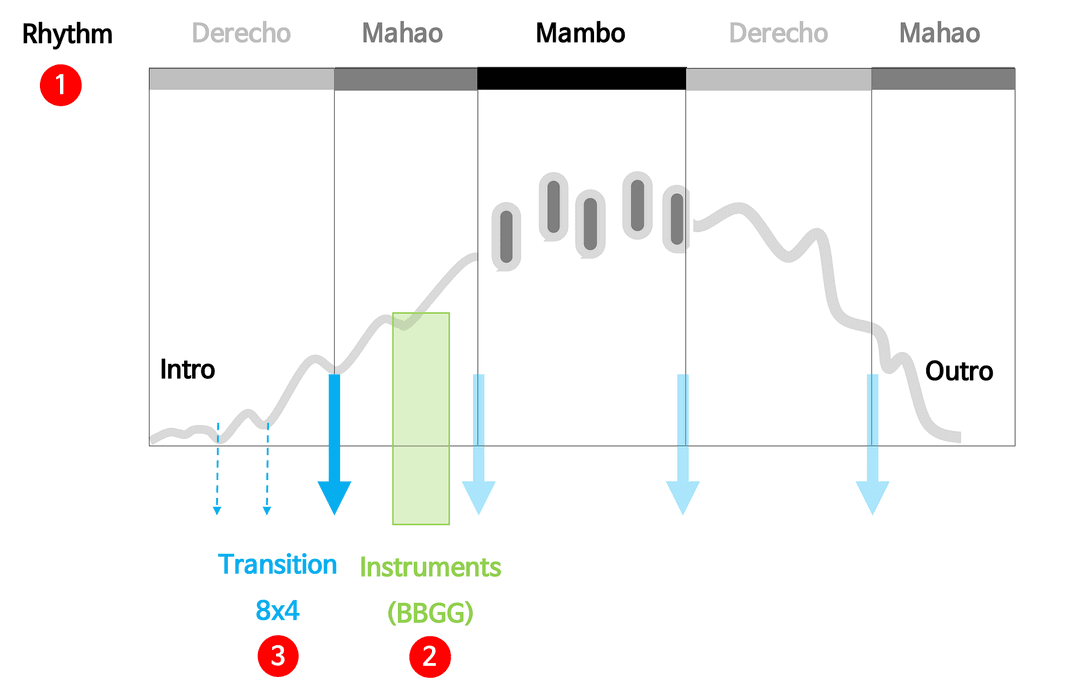
1. Chemistry with the music's structure/rhythm — derecho/majao/mambo
· Where is the music right now, and what is it telling you to do?
· Matching patterns to the structure of bachata music
2. Chemistry with instruments/sound — BBGG
· What sound will you listen to, and which instrument will you dance to?
· Expression matched to the kinds of instruments and sounds that make up bachata
3. Using the inflection points that detonate the chemistry — 8x4 beats
· How do you express the spots where the music's structure/flow changes?
· Easy, high-value-for-money musicality impact on the social floor
1. Chemistry with the Structure/Rhythm of Bachata Music
· Just avoid the wrong answers! Matching patterns to the structure of bachata music
· Nailing this is truly master territory. But just dodging the wrong answers is already a huge win
· Even just catching and expressing the music's energy, and síncopa vs. on-beat, is good
· Just placing the materials you've stuffed (or sparsely scattered) into your pattern-and-styling warehouse in the right spots changes the flavor of the dance!
Pablo y Raquel's musicality class — learning the structure of bachata rhythm
Class format
· Training to use patterns matched to the rhythmic sections of the music
· 1) Patterns — practicing 2 patterns (one movement-focused pattern, one including footwork) 2) Music — explanation of the structure of bachata music (theory) 3) Matching patterns and music — listening to various songs and practicing the patterns from 1) according to the musical structure from 2)
· Run in 3 parts, with the 2 patterns learned in part 1 practiced against the musical structure learned in part 2
· Pablo/Raquel point out where you're using a pattern that doesn't fit the music and correct it toward a pattern with better chemistry with the music's rhythm
Juan García on the structure of bachata music
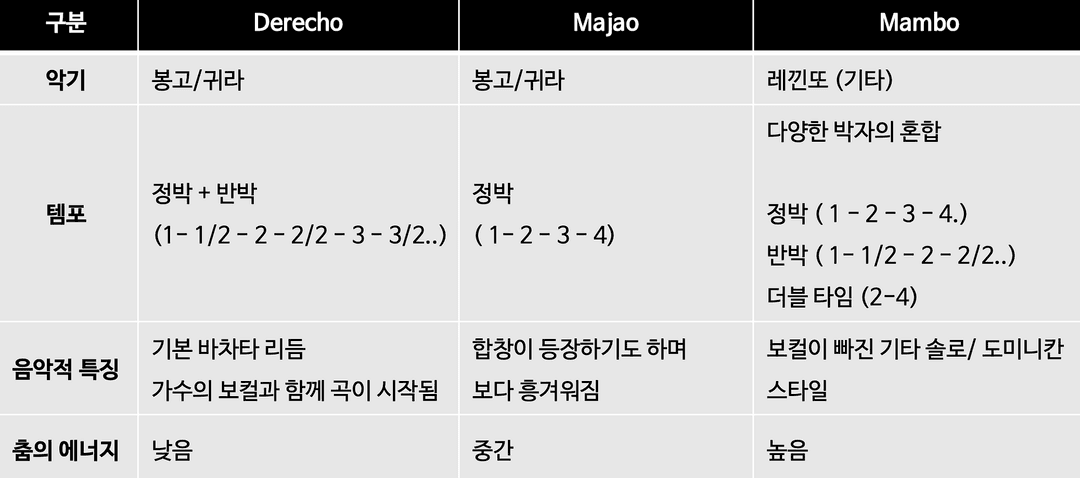
1. Derecho
· Bachata's basic rhythm
· The soft part with a touch of syncopation that carries the music from the intro into the singer's vocal
· A bolero-style two-step (double time) rhythm
· This is where the song's story begins; it's also called Caminando
Dancing the derecho section
· closed position
· two-step (double time)
· small movements, waves — a movement-centered construction
· Don't go straight into the basic during the intro; use closed position / bolero-style double time
2. Majao
· The bass drops on the beat
· The music's energy rises and the section becomes more dramatic and rhythmic
Dancing the majao section
· open position
· big steps, big movements
· patterns that use the on-beat (staccato, etc.)
· Even the same pattern is expressed stronger and bigger than it would be in the derecho
3. Mambo
· The vocal disappears and the guitar comes to the front
· The section where the music's energy peaks
· The requinto (guitar) takes the lead and drives an intense rhythm
· A rhythm similar to merengue
Dancing the mambo section
· independent footwork/styling
· dramatic expression / climax
Practice examples for telling the sections apart
· Sensual style — Entre Tú Y Mil Mares
· Dominican style
The basic of structure-based musicality is dodging the wrong answers. On the social floor, rather than understanding the music's structure precisely and matching it exactly, just avoiding patterns that clash badly with the music's flow is already plenty effective.
Wrong answers worth dodging
· Jumping straight into the basic during the intro
· Choppy on-beat staccato during a lyrical derecho section
· Long, drawn-out movement during the mambo
2. Chemistry with the Instruments/Sounds That Make Up Bachata Music
· What will you listen to — musicality matched to each instrument's sound
· What you express changes depending on which sound / which instrument you're listening to
· Practicing hearing the sound not as one lump but split by instrument
Jero's musicality class (1) — what you listen to determines what you dance
· Jero's first question: "Which instruments make up bachata?" Answer — BBGG
The instruments that make up bachata music — BBGG
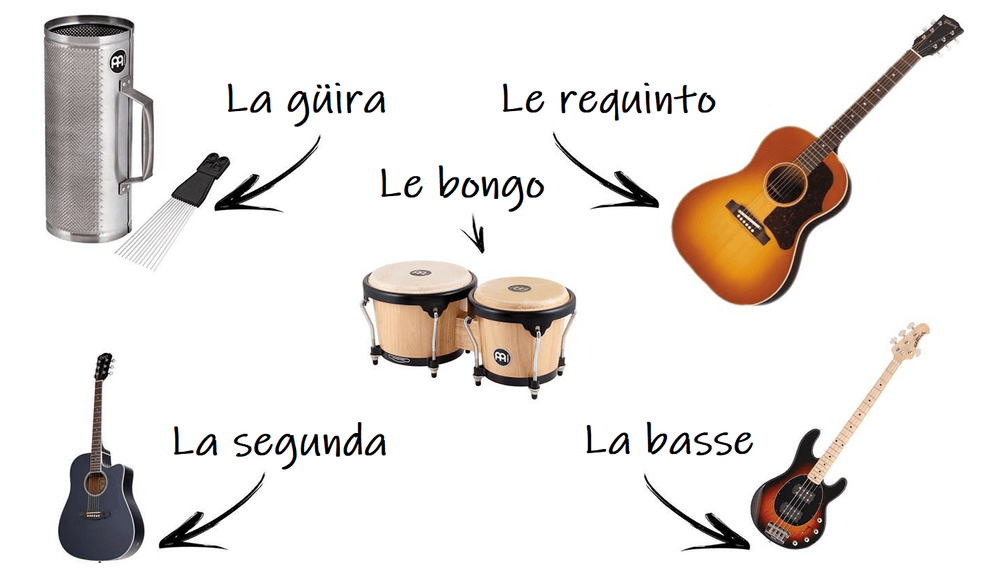
· B — Bongo
· B — Bass Guitar
· G — Güira (metal percussion played by scraping it with a brush)
· G — Guitar (lead guitar Requinto + second rhythm guitar Segunda)
BBGG is Pablo's own wording; in practice the lead guitar Requinto and the rhythm guitar Segunda are counted separately, making 5 instruments in bachata's basic lineup
Listening to bachata instrument by instrument
· Jero's second question: "There's one more sound in here — what is it?" Answer — Vocal (the singer's voice)
How Jero's class is built
· Demonstrating how the dance changes when you match each instrument within a single song
· Introducing the vocal as bachata's fifth element and demoing how the dance's patterns change when matched to it
· Even with the same music, the dance changes depending on which instrument you dance to
Gaby's instrument-by-instrument musicality showcase
Examples of how musicality changes with the instrument you match, even in the same song * There's no footage of Jero's demo version, so Gaby's Instagram version stands in.
1. Segunda vs. requinto / bongo & güira vs. requinto
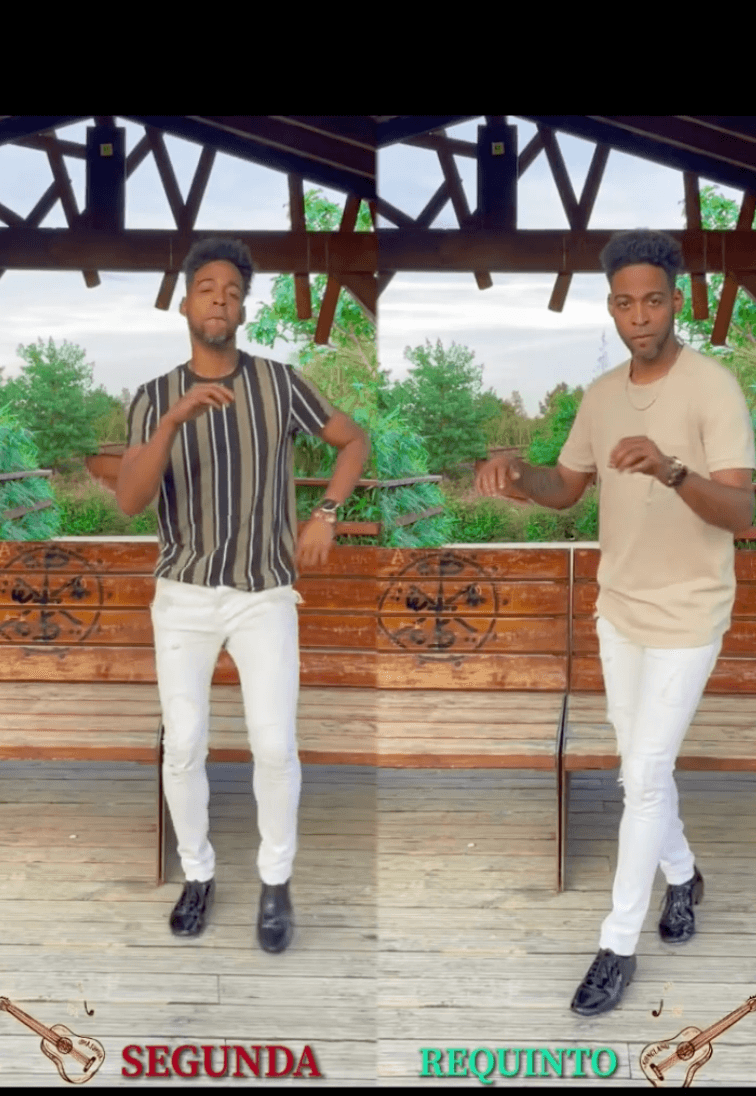
2. Musicality matched to the Bongo
3. Musicality matched to the Güira
Summary of Jero's musicality class
3. The Music's Inflection Points, Where Chemistry with the Dance Detonates
· Best-value point musicality! Using transitions matched to the spots where the music changes every 8x4 beats
· Musicality matched to a song's whole structure, like Pablo's class, demands the high-difficulty skill of laying out your patterns across an entire song
· But catching the pivot points where the music flips in an instant and landing a simple point pattern is the kick that makes an otherwise ordinary song reek of mastery
Jero's musicality class (2) — detonating the music's inflection points
· 1) Patterns — practicing short pattern fragments of various difficulty that you can drop into the transition (4~8 counts)
· 2) Music — listening to actual songs together and practicing counting the 4x8 transitions
· 3) Matching music and patterns — practicing dropping the patterns you learned into those transitions
The 8x4 rule of bachata music
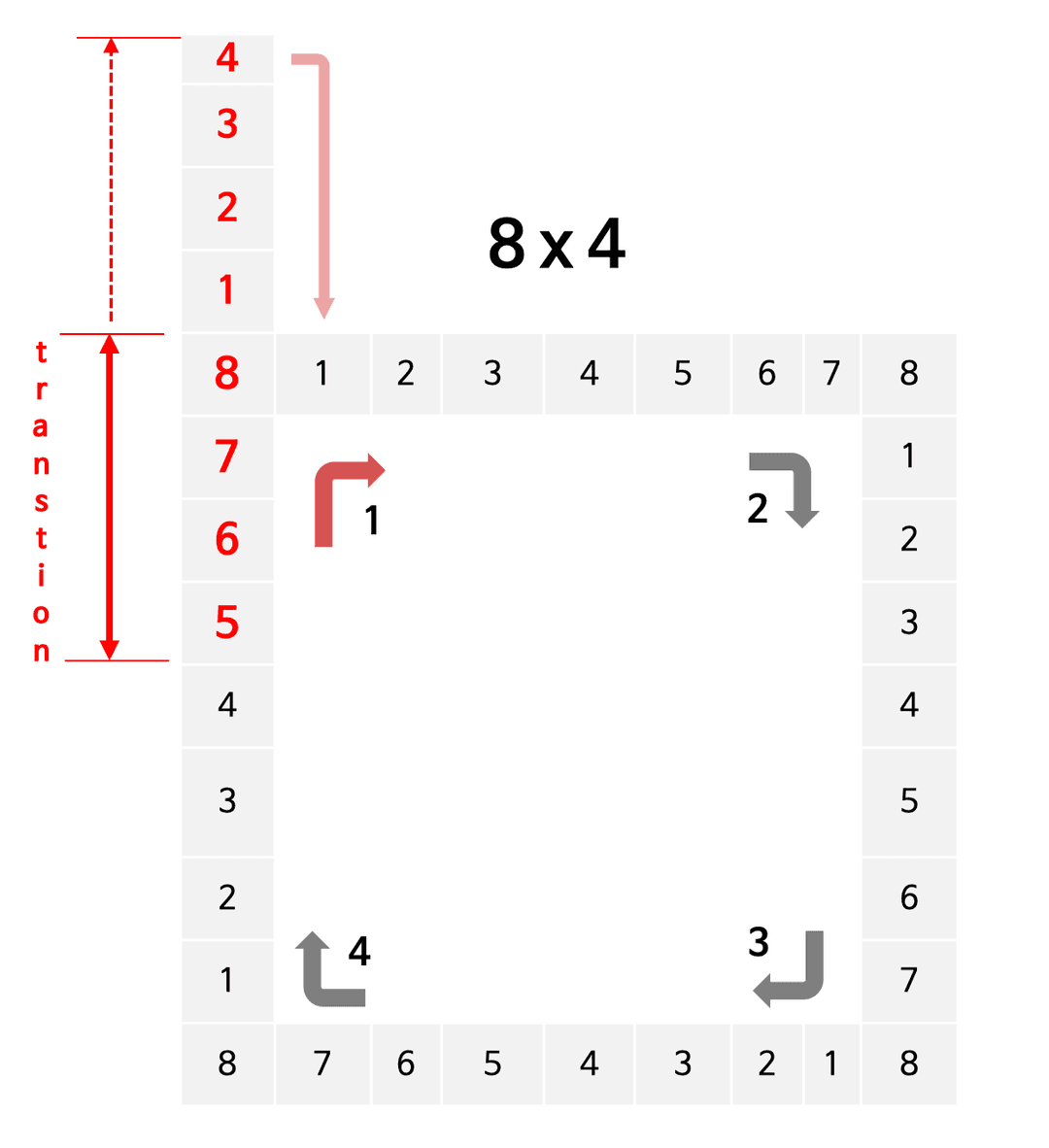
· Bachata's flow changes across 4 sets of 8 counts, and the music varies on the last count of usually the fourth 8-count — a different arrangement/instrument from the existing flow appears
· As you approach the fourth of those 8-counts the music's energy also climbs, and after the transition the first 8-count starts again
· Sometimes an additional 4 counts (or more) get tacked on after the last 8-count to heighten the music's dramatic effect
8x4 counting practice and pattern application examples
Putting It All Together — Analyzing a Song
Comprehensive musicality analysis examples integrating the music's structure, 2) the instrument lineup per section, 3) the 8x4 beat transitions
· Como El Agua
2. El Chaval de la Bachata
3. Perfect
4. Musicality That Brings Out the Lyrics' Keywords and Content
Two good example videos stand in for this section
Wonkoong-style musicality
But isn't the real basic of musicality, above all, listening to a lot of music until your body absorbs it?
Before analyzing and counting with your head — 'auto-musicality,' where your body naturally catches the rising energy and the music's inflection points. And beyond that, reaching the state of 接音, becoming one with the music. And maybe, on the way there, understanding the music's structure points to a slightly faster road.
Chemistry with the music that lets you feel it more deeply and get closer to the true fun of dancing, and use the weapons you already have more beautifully. The magic of musicality, where the very same pattern or styling calls up a much bigger explosion depending on where you plant it.
What you use to express these musical features, and how, will differ person to person…
But whatever you've got, as long as you're dancing to the music —
May Musicality Be With You… 🙏🙏🙏😀
 23
23